
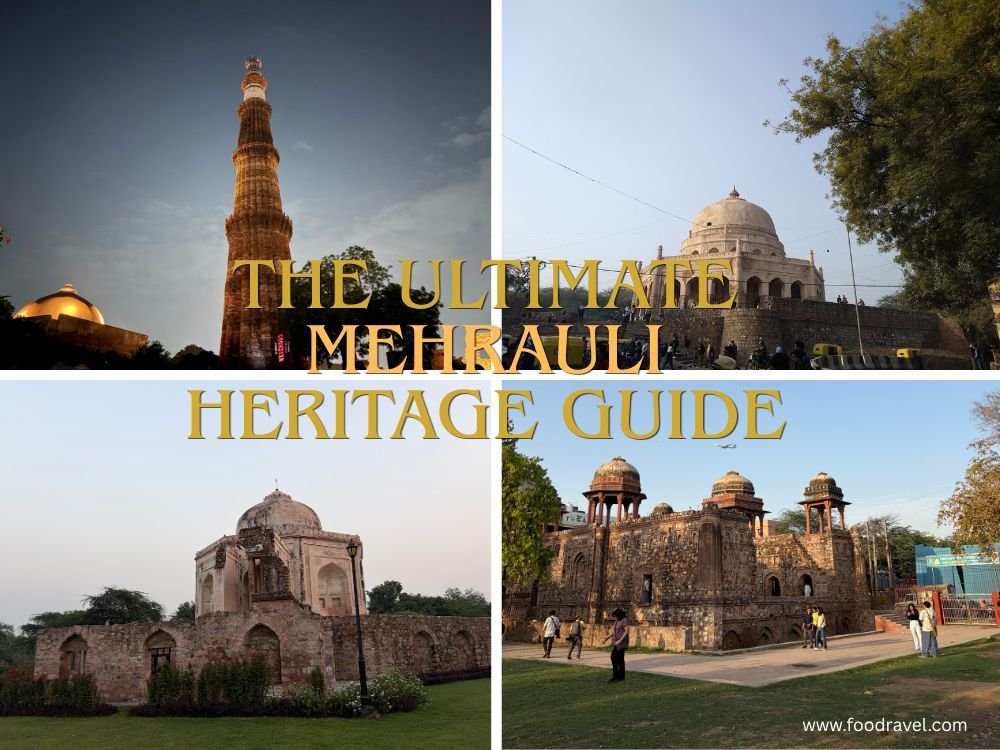
Things to Do in Mehrauli: Discover Its Historic Landmarks
When we think of Mehrauli, Qutub Minar is probably the first thing that comes to mind. But this historic neighbourhood in South Delhi has much more to offer than its iconic minaret. From centuries-old tombs, forgotten stepwells and ancient temples to Buddhist monasteries, historic churches, traditional markets and charming food spots, Mehrauli is full of places waiting to be explored. Whether you’re a history enthusiast, architecture lover, culture seeker or simply looking to discover a different side of Delhi, there are plenty of things to do in Mehrauli beyond Qutub Minar.
Having lived near Mehrauli for more than two years, I have realised that even the places closest to us can hold countless stories waiting to be discovered. Despite being so close, I am still exploring the historic neighbourhood of Mehrauli and uncovering its many hidden corners. In this blog, I’ll take you through the best things to do in Mehrauli, from its famous historical landmarks to lesser-known attractions, cultural spaces and local food experiences.
Mehrauli Archaeological Park: Discover Delhi’s Hidden Historical Gems
Spread across a vast stretch of historic ruins and green spaces, Mehrauli Archaeological Park is one of the most fascinating places to visit in Mehrauli, Delhi. From centuries-old tombs and historic stepwells to forgotten garden structures and remnants of the ancient Lal Kot Fort, the park offers plenty to explore for anyone interested in historical places in Mehrauli. Walking through its pathways reveals a lesser-known side of Delhi, where layers of history, architecture and heritage remain tucked away from the city’s busy streets.
Balban’s Tomb
Visit the tomb of Sultan Ghiyas-ud-din Balban, a significant landmark in Indian architectural history. Its surviving arches and dome represent an important early example of true arch and dome construction in the subcontinent.
Jamali Kamali Mosque and Tomb
Explore this beautiful 16th-century mosque and tomb complex associated with the Sufi poet Jamali and his companion Kamali. Its detailed ornamentation, architectural features and painted interiors make it one of the park's most fascinating monuments.
Quli Khan’s Tomb and Metcalfe’s Dilkusha
Discover the tomb of Muhammad Quli Khan, later incorporated into Sir Thomas Metcalfe's countryside retreat, Dilkusha. The complex once featured landscaped terraces, water channels, pavilions and other structures that blended Mughal-era architecture with colonial tastes.
Metcalfe’s Boathouse
Look out for this unusual structure, originally a Lodhi-period tomb that Thomas Metcalfe converted into a boathouse beside a small lake. It offers a glimpse into the imaginative ways historic monuments were repurposed during the colonial period.
Rajon Ki Baoli
Step into one of Delhi's most impressive historic stepwells. Built during the Lodi period, Rajon Ki Baoli is known for its multiple levels of steps, arched niches and the striking symmetry of its stone architecture.
The Lodi-era Tombs
Explore the lesser-known tombs scattered across the archaeological park. These modest but intriguing structures offer a closer look at the funerary architecture of the Lodi period and the layers of history hidden among the park's greenery.
Bagh-i-Nazir (Nazir Ka Bagh)
Discover the remains of this historic garden area, associated with the old fortified landscape of Mehrauli. Its surviving heritage structures and setting add another dimension to the park's rich architectural history.
The Bastion of Lal Kot Fort
Find the surviving bastion of Lal Kot, the fortified settlement traditionally attributed to the Tomar ruler Anangpal II. It offers a glimpse into Delhi's early fortifications, long before the great Sultanate and Mughal monuments appeared.
Explore the Qutub Minar Complex
No visit to Mehrauli is complete without exploring the magnificent Qutub Minar Complex. A UNESCO World Heritage Site, this historic complex is home to the 12th-century Qutub Minar, one of India’s most recognisable historical monuments. Built by Qutb-ud-din Aibak and later completed by Iltutmish, the towering minaret is an extraordinary example of Indo-Islamic architecture.
Take your time exploring the courtyards, arches, inscriptions and architectural details. Each structure offers a glimpse into Delhi’s early Sultanate history, making the complex an essential stop for anyone interested in historical places in Mehrauli.
The Qutub Minar Complex is home to remarkable structures built across different periods of Delhi's history. Beyond the towering minaret, you will find historic mosques, royal tombs, elaborate gateways and architectural remains that make this UNESCO World Heritage Site worth exploring at a leisurely pace.
Qutub Minar
The 73-metre-tall victory tower commissioned by Qutb-ud-din Aibak in the late 12th century and continued by his successors. Its fluted sandstone shafts and intricate inscriptions make it the centrepiece of the complex.
Quwwat-ul-Islam Mosque
Built under Qutb-ud-din Aibak from 1193 onwards, this historic mosque is among the earliest surviving examples of Islamic architecture in Delhi. Its courtyard and carved stone colonnades reveal several layers of architectural history.
Iron Pillar
Standing in the mosque courtyard, this ancient iron pillar dates to the Gupta period. It is renowned for its metallurgical composition and remarkable resistance to atmospheric corrosion.
Alai Darwaza
Commissioned by Alauddin Khalji in 1311, this magnificent gateway is admired for its red sandstone, white marble detailing, geometric patterns and beautifully constructed arches.
Alai Minar
An ambitious but unfinished tower commissioned by Alauddin Khalji. He intended to build a minaret twice the height of Qutub Minar, but construction stopped after the completion of its massive first storey.
Tomb of Iltutmish
Built in 1235, this sandstone mausoleum belongs to Sultan Shams-ud-din Iltutmish. Its interior features elaborate inscriptions, geometric patterns and intricate stone carvings.
Alauddin Khalji’s Tomb and Madrasa
Explore the remains of the tomb and religious school commissioned by Alauddin Khalji. This structure reflects the architectural expansion undertaken during his reign in the early 14th century.
Tomb of Imam Zamin
A comparatively small but elegant 16th-century mausoleum near Alai Darwaza. Built for the Sufi saint Imam Zamin, it features a dome, carved stonework and decorative lattice screens.
Smith’s Folly (Major Smith’s Cupola)
A small domed pavilion installed atop Qutub Minar by British engineer Major Robert Smith in 1828. Following criticism of the alteration, it was removed in 1848 and relocated to the eastern side of the complex. It remains a curious reminder of colonial-era interventions in Delhi's architectural heritage.
Sanderson’s Sundial
A historic sundial associated with the archaeological complex, worth investigating as part of its lesser-known heritage features. Its exact location and current accessibility should be confirmed before including visitor directions.
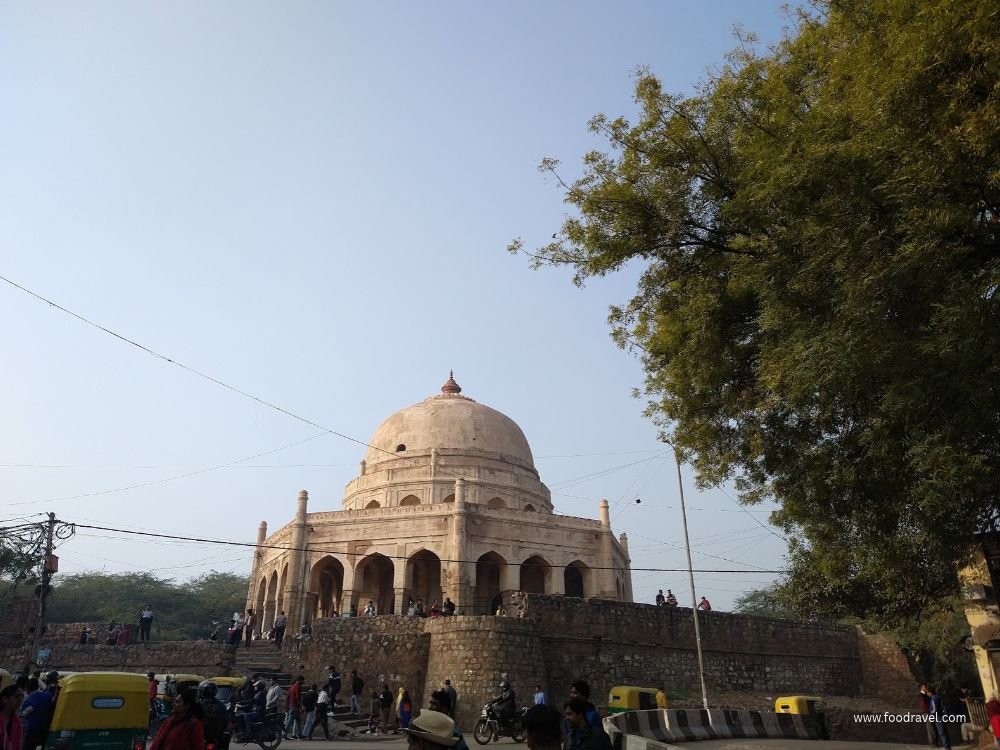
Explore Adham Khan’s Tomb: Discover the Story of Akbar’s General
Adham Khan’s Tomb is one of the notable historical places to visit in Mehrauli, known for its massive octagonal structure and tragic Mughal-era history. Adham Khan was a general in Emperor Akbar’s army and the son of Maham Anga, Akbar’s foster mother. After Adham Khan was executed on Akbar’s orders in 1562, the emperor had this tomb built for him and his mother.
The tomb is popularly known as Bhool Bhulaiya because of its maze-like passages and narrow stairways. Its octagonal design, arched verandahs and distinctive architectural features make it particularly interesting for visitors. During British rule, the monument was used as a residence, rest house and police station before being restored and protected.
Visitor information
Location: Opposite Mehrauli Bus Terminal, Mehrauli, New Delhi.
Nearest metro: Qutub Minar Metro Station on the Yellow Line, approximately 2.5 km away.
Timings: Check locally before visiting, as access arrangements may vary.
Entry: No entry ticket
Watch the Sunset from Azim Khan’s Tomb: Enjoy Panoramic Views of Qutub Minar
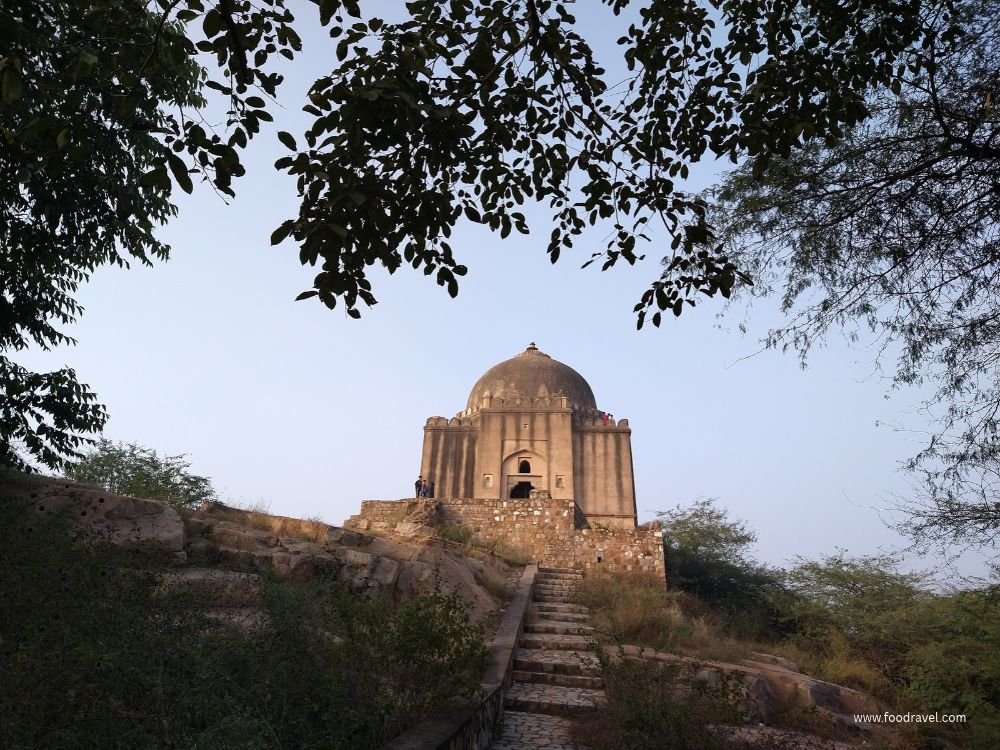
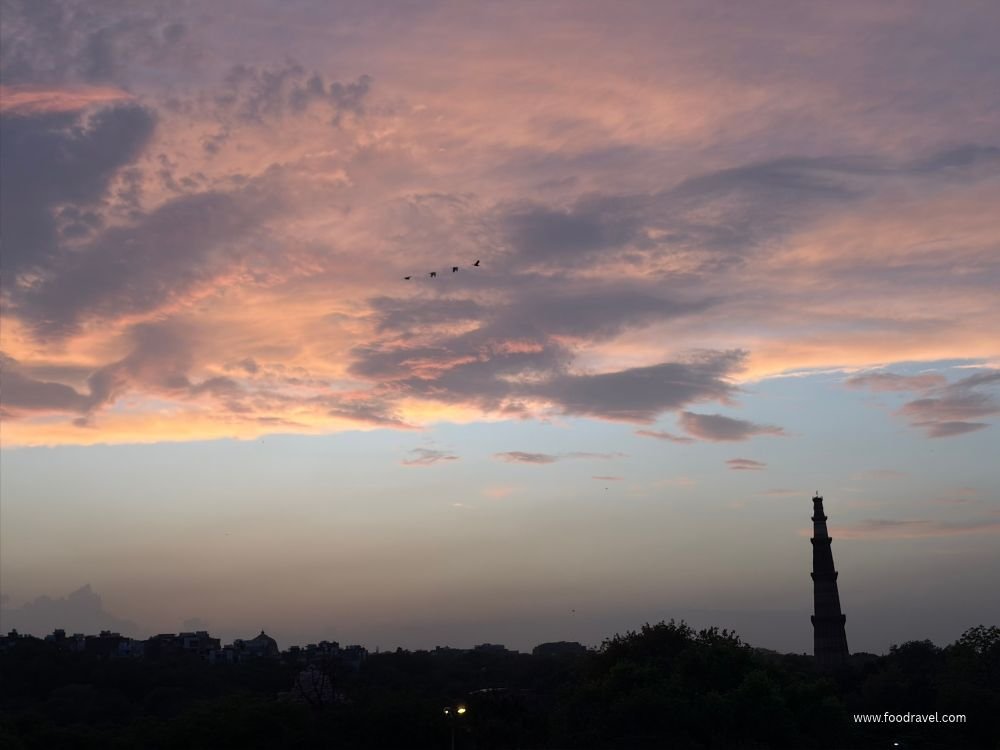
Azim Khan’s Tomb is a historic Mughal-era monument perched on a rocky hilltop near Ahimsa Sthal in Mehrauli. Although the tomb itself has a relatively modest architectural presence, its elevated location has recently made it popular among visitors looking for a beautiful sunset in Mehrauli. The hilltop offers uninterrupted views of the surrounding landscape, with the iconic Qutub Minar visible in the distance.
The monument is believed to be the resting place of Azim Khan, also known as Akbar Khan, though little is documented about his life. Today, many visitors come here less for the tomb’s architecture and more for its scenic setting. As the evening sky changes colour, the silhouette of Qutub Minar against the setting sun makes this a lovely sunset point in Delhi and a picturesque spot for a romantic sunset or an evening photography session.
Visitor information
Location: Near Ahimsa Sthal, Mehrauli–Badarpur Road, New Delhi.
Best time to visit: Late afternoon, before sunset.
Entry fee: Free.
Nearest metro station: Qutub Minar Metro Station.
Recommended visit duration: 30–45 minutes.
Visit Ahimsa Sthal: Admire the Giant Mahavira Statue and Peaceful Hilltop Setting
Ahimsa Sthal, meaning the place of non-violence, is a Digambar Jain temple complex in Mehrauli, best known for its enormous granite statue of Lord Mahavira, the 24th and last Tirthankara of Jainism. Established in the 1980s, the shrine stands on an elevated hillock overlooking the surrounding neighbourhood.
The centrepiece is a magnificent seated statue of Mahavira, measuring approximately 13.5 feet in height and weighing around 30 tonnes. He is depicted in a meditative posture, seated on a lotus pedestal and flanked by sculpted lions. The surrounding grounds feature landscaped pathways and inscriptions reflecting Jain philosophy, particularly the principles of non-violence, compassion and peaceful coexistence.
Beyond its religious significance, Ahimsa Sthal is also a lovely place to enjoy a quiet break while exploring places to visit in Mehrauli. Its elevated setting offers views of the surrounding landscape, with Qutub Minar visible from parts of the complex.
Visitor information
Location: Anuvrat Marg, Mehrauli, New Delhi.
Established: 1980s.
Timings: Generally 6 AM to 8 PM.
Entry fee: Free.
Nearest metro station: Qutub Minar Metro Station, Yellow Line.
Recommended visit duration: 20–30 minutes.
Visitor etiquette: Remove footwear before entering the shrine area. Visitors are also expected to respect the site’s restrictions on leather items.
Visit St. John’s Church: Discover Mehrauli’s Unique Blend of Religious Architecture
St. John’s Church is one of the most unusual places to visit in Mehrauli, reflecting the neighbourhood’s rich cultural and religious diversity. Built in the 1920s on the ruins of a Mughal-era fort, the church stands out for its distinctive architecture, which blends elements of a church, mosque and Hindu temple.
Designed by architect Alfred Coore, the building features a tall temple-style shikhara topped with a Christian cross, an arched entrance and an Urdu inscription reading Moqaddas Yohna ka Girja, meaning the Church of St. John. These architectural details make it a fascinating example of syncretic architecture in Delhi. Unlike conventional colonial-era churches, St. John’s Church reflects an attempt to interpret Christian architecture through Indian design traditions.
For visitors exploring historical places in Mehrauli, this lesser-known church offers a different perspective on the area’s heritage beyond its Sultanate and Mughal monuments.
Visitor information
Location: Christian Colony, Mehrauli, New Delhi 110030.
Established: 1920s.
Architect: Alfred Coore.
Entry fee: No entry fee listed.
Recommended visit duration: 20–30 minutes.
Visit Ashoka Mission: Experience Buddhist Heritage and a Peaceful Monastery in Mehrauli
Ashoka Mission, also known as Asoka Mission, is a Buddhist centre located in the historic neighbourhood of Mehrauli. Established in 1948 by Venerable Dharmavara Mahathera, a Cambodian Buddhist monk, the organisation was founded to revive Emperor Ashoka’s legacy and promote Buddhist teachings in India and around the world.
The mission houses a Buddhist temple featuring a golden Buddha statue, prayer spaces and a peaceful campus. Its cultural activities and work promoting Buddhist heritage also connect it with Buddhist communities across the world.
For anyone exploring Buddhist places in Mehrauli or looking for lesser-known cultural attractions in Delhi, Ashoka Mission offers an opportunity to discover a different side of the neighbourhood’s spiritual heritage.
Visitor information
Location: Old Mehrauli-Gurgaon Road, Mehrauli, New Delhi.
Established: 1948.
Timings: Monday–Friday, 8 AM–6 PM; Saturday, 9 AM–12 PM.
Entry fee: No published entry fee.
Nearest metro station: Qutub Minar Metro Station, Yellow Line.
Ashoka Mission is an active Buddhist institution, so visitors should be mindful of religious activities and prayer spaces.
Visit the Cambodian Monastery: Experience Traditional Khmer Buddhist Culture in Mehrauli
The Cambodian Monastery, also known as Wat Khmer New Delhi, is a Buddhist temple near Andheria More in Mehrauli. Established in 1994, the monastery preserves and promotes Cambodian Theravada Buddhist traditions in India. It is home to Cambodian monks who lead prayers, meditation sessions, chanting ceremonies and Dhamma discussions.
The monastery offers a glimpse into Khmer Buddhist culture through its religious practices, traditional ceremonies and peaceful temple setting. Visitors can experience the quieter side of Mehrauli’s spiritual heritage, away from the neighbourhood’s crowded historical attractions. The temple also provides an opportunity to learn about Cambodian Buddhism and its distinct traditions.
Visitor information
Location: 25, Andheria More, Mehrauli, Chhattarpur, New Delhi – 110074.
Established: 1994.
Visiting hours: 6 AM–7:30 PM, daily.
Prayer timings: Morning chanting at 5:30 AM and evening prayers at 6 PM.
Entry fee: No entry fee listed.
Recommended visit duration: 30–45 minutes.
The monastery is an active place of worship. Visitors can observe its religious activities while respecting prayer times and monastic customs.
Visit Yogmaya Temple: Explore One of Delhi’s Oldest Living Hindu Shrines
Yogmaya Temple, also known as Jogmaya Temple, is a historic Hindu shrine in the heart of Mehrauli, dedicated to Goddess Yogmaya, believed to be the sister of Lord Krishna. The temple is particularly significant because local tradition traces its origins to the Mahabharata period, although the present structure dates to the early 19th century. It was rebuilt during the reign of Mughal Emperor Akbar II by Lala Sethmal.
Beyond its religious importance, the temple holds a special place in Delhi’s cultural heritage as one of the two principal destinations of Phool Walon Ki Sair, the city’s famous interfaith flower festival. During this annual celebration, floral pankhas are carried in processions to Yogmaya Temple and the nearby Dargah of Qutbuddin Bakhtiyar Kaki, symbolising Hindu-Muslim harmony. The temple also attracts large gatherings during Navratri.
For travellers exploring historical places in Mehrauli, Yogmaya Temple offers a glimpse into the neighbourhood’s living religious traditions and its centuries-old cultural connections.
Visitor information
Location: Seth Sarai, Mehrauli, New Delhi.
Timings: 5 AM–8 PM, daily.
Aarti timings: 5:30 AM and 8 PM.
Entry fee: Free.
Nearest metro station: Qutub Minar Metro Station, approximately 1 km away.
Recommended visit duration: 20–30 minutes.
Visit the Dargah of Qutbuddin Bakhtiyar Kaki: Explore Mehrauli’s Historic Sufi Shrine
The Dargah of Hazrat Qutbuddin Bakhtiyar Kaki is one of the most important spiritual and historical landmarks in Mehrauli. Dating back to the 13th century, the shrine is the resting place of Khwaja Qutbuddin Bakhtiyar Kaki, a revered Sufi saint of the Chishti order and the spiritual successor of Khwaja Moinuddin Chishti of Ajmer. He played a significant role in spreading Chishti Sufism in Delhi during the reign of Sultan Iltutmish.
The dargah is among the oldest and most revered Sufi shrines in Delhi. Its expansive complex includes the saint’s tomb, courtyards, historic gateways and several other graves and religious structures added over different periods. Mughal rulers, including Bahadur Shah Zafar, also contributed to its architecture and development.
One of the most interesting times to visit is Thursday evening, when qawwali performances bring the shrine alive with devotional music. The dargah is also closely associated with Phool Walon Ki Sair, the annual flower festival during which floral offerings are carried to both the shrine and the nearby Yogmaya Temple. This tradition reflects Mehrauli’s long history of shared cultural and religious practices.
Visitor information
Location: Dargah Road, Mehrauli, New Delhi.
Timings: Generally 6 AM–6 PM; timings may extend during religious occasions.
Entry fee: Free.
Best time to visit: Thursday evening for the devotional atmosphere and qawwali.
Nearest metro station: Qutub Minar Metro Station, approximately 2 km away.
Recommended visit duration: 30–45 minutes.
Dress code: Wear modest clothing and cover your head. Remove your footwear before entering the shrine.
Discover Hijron Ka Khanqah: Explore a Historic Sufi Shrine of Delhi’s Transgender Community
Tucked away in the narrow lanes of Mehrauli’s old bazaar, Hijron Ka Khanqah is a 15th-century Sufi shrine and cemetery with a remarkable connection to Delhi’s transgender community. Dating back to the Lodi period, this historic site has served as a sacred gathering and burial place for generations of hijras, who have maintained and preserved the complex over the years.
The small courtyard contains approximately 50 whitewashed tombs, including the revered grave of Miyan Saheb. A simple mosque wall with several mihrabs (prayer niches) stands along the western side, while a large neem tree adds to the quiet atmosphere of the courtyard. Unlike the grand tombs and monuments scattered across Mehrauli, this modest shrine tells a deeply human story of community, belonging and faith.
For visitors interested in hidden historical places in Mehrauli, Hijron Ka Khanqah offers a different perspective on Delhi’s past and the communities that have shaped its cultural heritage.
Visitor information
Location: Chhatta Wali Gali, Mehrauli Bazaar, New Delhi.
Historical period: Lodi period, 15th century.
Entry fee: No standard admission fee.
Access: The shrine is maintained by the transgender community, and visitor access may be restricted. Seek permission before entering.
Recommended visit duration: 15–20 minutes, if access is permitted.
Explore Zafar Mahal: Visit the Last Mughal Palace Built in Delhi
Zafar Mahal is considered the last monumental palace built by the Mughal dynasty in India. Tucked away in the narrow lanes of Mehrauli village, close to the Dargah of Qutbuddin Bakhtiyar Kaki, this historic monument offers a glimpse into the final chapter of Mughal rule in Delhi.
The palace was originally commissioned by Emperor Akbar Shah II in the early 19th century and was later expanded by his son, Bahadur Shah Zafar, the last Mughal emperor. Its most striking feature is the grand three-storeyed Hathi Gate (Elephant Gate), reconstructed by Zafar to allow elephants to enter the palace grounds. Built primarily with red sandstone and marble, the gateway features imposing arches, decorative details and traditional Mughal architectural elements.
One of the most poignant parts of Zafar Mahal is the marble enclosure containing the graves of Mughal royals and an empty grave plot reserved for Bahadur Shah Zafar. The emperor wished to be buried here, near his ancestors and the neighbouring Sufi shrine. However, following the Revolt of 1857, the British exiled him to Rangoon (now Yangon), where he died in 1862. He was buried there, leaving his intended resting place in Mehrauli empty.
The palace also contains Moti Masjid, a small marble mosque associated with the Mughal royal family. Despite its deteriorating condition, Zafar Mahal remains one of the most historically significant hidden places to visit in Mehrauli, particularly for those interested in the final years of the Mughal Empire.
Visitor information
Location: Mehrauli village, near the Dargah of Qutbuddin Bakhtiyar Kaki, New Delhi.
Timings: 10 AM–6 PM, daily.
Entry fee: Free.
Nearest metro station: Qutub Minar Metro Station, Yellow Line, approximately 1.5–2 km away.
Recommended visit duration: 30–45 minutes.
Best time to visit: Morning or late afternoon.
Visit Jahaz Mahal: Admire the Historic Palace Overlooking Hauz-i-Shamsi
Jahaz Mahal is one of the most picturesque historical monuments in Mehrauli, situated beside the reservoir of Hauz-i-Shamsi. Built during the Lodi period, probably in the late 15th or early 16th century, the palace gets its name from its reflection in the surrounding water, which makes the structure appear like a ship floating on a lake.
The two-storeyed structure features an open courtyard, arched galleries, decorative balconies and domed chhatris at its corners. Its central courtyard once served as a gathering space, while the surrounding rooms and chambers provided accommodation for travellers and pilgrims visiting Delhi. The monument is also associated with the annual Phool Walon Ki Sair festival, which brings together the nearby Yogmaya Temple and Dargah of Qutbuddin Bakhtiyar Kaki in a celebration of shared heritage.
The monument is particularly lively during Phool Walon Ki Sair, usually held in September or October. The festival features floral offerings, cultural performances, qawwali and processions, making it one of the best times to experience Jahaz Mahal and Mehrauli’s shared heritage.
Visitor information
Location: Near Hauz-i-Shamsi, Mehrauli, New Delhi.
Timings: 6 AM–7 PM, daily.
Entry fee: Free.
Nearest metro station: Chhatarpur Metro Station, Yellow Line.
Best time to visit: Early morning or late afternoon.
Recommended visit duration: 30–45 minutes.
Visit Hauz-i-Shamsi: Discover the Historic Water Reservoir of Mehrauli
Hauz-i-Shamsi, also known as Shamsi Talab, is a historic water reservoir built by Sultan Shams-ud-din Iltutmish in 1230 CE. Located near Jahaz Mahal, this centuries-old lake is associated with a legend that Prophet Muhammad appeared in Iltutmish’s dream and instructed him to build a reservoir at the spot marked by his footprint. A pavilion known as Jharna, built over a stone platform in the middle of the water, is traditionally believed to mark that spot.
The reservoir once supplied water to the surrounding settlements and gardens of Mehrauli. Although much of its original landscape has changed, Hauz-i-Shamsi remains an important part of the area’s medieval water heritage. It is also closely connected to Jahaz Mahal, whose reflection in the lake is said to have inspired its name.
The reservoir is also associated with the nearby Jharna, a Mughal-era water garden developed around 1700 by Nawab Ghaziuddin Khan. Water from Hauz-i-Shamsi once flowed into its fountains and channels. Together, these structures reveal how medieval rulers developed elaborate water systems across Mehrauli.
For visitors exploring historical places in Mehrauli, Hauz-i-Shamsi is worth including alongside Jahaz Mahal. The central red sandstone pavilion, the old reservoir and the surrounding heritage landscape make it an interesting stop for architecture enthusiasts and history lovers.
Visitor information
Location: Near Jahaz Mahal, Mehrauli, New Delhi.
Timings: Open throughout the day; best visited between sunrise and sunset.
Entry fee: Free.
Nearest metro station: Chhatarpur Metro Station, Yellow Line.
Recommended visit duration: 20–30 minutes.
Best time to visit: Early morning or late afternoon.
Explore Gandhak Ki Baoli: Descend into a Medieval Stepwell in Mehrauli
Gandhak Ki Baoli is a five-storey medieval stepwell built during the reign of Sultan Iltutmish in the 13th century. Located near the Dargah of Qutbuddin Bakhtiyar Kaki, this historic structure is among the lesser-known historical places in Mehrauli and offers a glimpse into Delhi’s traditional water-harvesting systems.
The stepwell gets its name from the Hindi word gandhak, meaning sulphur. According to local accounts, its water was once believed to have medicinal properties because of its sulphurous smell. The structure features descending flights of steps, arched corridors and a series of chambers leading towards the water level. Its design helped preserve water and provided a cool resting place during Delhi’s scorching summers.
Unlike the grand monuments of Mehrauli, Gandhak Ki Baoli is a relatively quiet heritage site where you can appreciate the practical architecture of the Delhi Sultanate period.
Visitor information
Location: Near Dargah of Qutbuddin Bakhtiyar Kaki, Mehrauli, New Delhi.
Built: 13th century, during Sultan Iltutmish’s reign.
Timings: Generally 9 AM–5 PM.
Entry fee: Free.
Nearest metro station: Qutub Minar Metro Station, Yellow Line.
Recommended visit duration: 15–20 minutes.
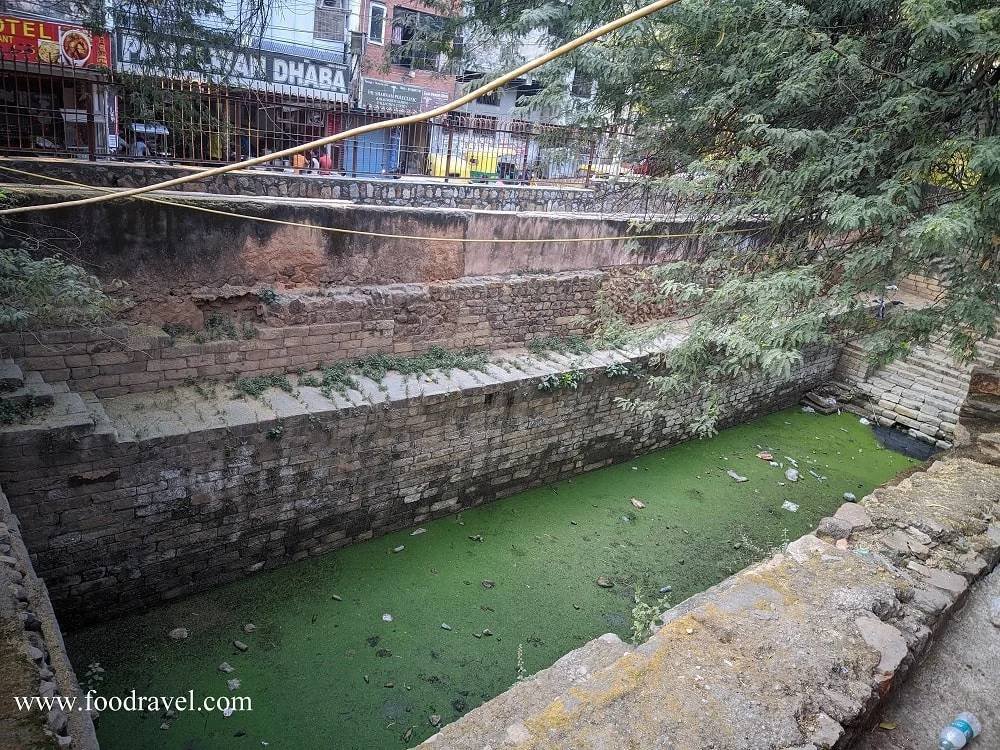
Discover Jharna: Explore Mehrauli’s Historic Mughal Water Garden
Jharna, meaning waterfall, is a historic water garden near Jahaz Mahal and Hauz-i-Shamsi in Mehrauli. Developed around 1700 by Nawab Ghaziuddin Khan Firoz Jang, the garden was designed around a traditional water system that channelled surplus water from Hauz-i-Shamsi into tanks, fountains and cascading channels.
The complex features two interconnected tanks, a central twelve-arched baradari (pavilion) and smaller structures built around the water channels. Mughal emperors Akbar Shah II and Bahadur Shah Zafar later added to the garden, making it a recreational retreat for the royal family. Although much of its original water system no longer functions as it once did, the surviving structures offer a glimpse into Mughal-era garden design.
For anyone exploring hidden historical places in Mehrauli, Jharna is an interesting stop to combine with Hauz-i-Shamsi and Jahaz Mahal. Together, these three monuments reveal how water, architecture and leisure were connected in historic Mehrauli.
Visitor information
Location: Near Jahaz Mahal, Mehrauli, New Delhi.
Period: Mughal era, developed around 1700.
Timings: Sunrise to sunset.
Entry fee: Free.
Nearest metro station: Qutub Minar Metro Station, Yellow Line.
Recommended visit duration: 20–30 minutes.
Explore Mehrauli’s Traditional Bazaar: Discover the Neighbourhood’s Old Market Lanes
Mehrauli Bazaar is one of the oldest traditional markets in South Delhi, offering a glimpse into the everyday life of this historic neighbourhood. Its narrow lanes are lined with shops selling clothing, household goods, jewellery, religious items, flowers and everyday essentials.
The market is particularly interesting for its proximity to Mehrauli’s major heritage landmarks. As you walk through its busy streets, you’ll find traditional shops, old buildings, street vendors and small eateries that give the neighbourhood a character quite different from Delhi’s modern shopping districts.
The bazaar is also a convenient stop while exploring nearby attractions such as Yogmaya Temple, the Dargah of Qutbuddin Bakhtiyar Kaki and Hijron Ka Khanqah. If you want to discover the local side of Mehrauli beyond its monuments, spend some time exploring its old market lanes and sampling the area’s street food.
Visitor information
Location: Mehrauli Main Bazaar, near Mehrauli Bus Terminal, New Delhi.
Timings: Individual shop timings vary; most shops operate during the day and evening.
Entry fee: Free.
Nearest metro station: Qutub Minar Metro Station, Yellow Line.
Recommended visit duration: 30–60 minutes.
Explore the Mehrauli Flower Market: Discover the Neighbourhood’s Floral Trade
Mehrauli Flower Market is a lively local market where flower sellers and vendors bring fresh flowers for everyday worship, temple offerings, weddings and religious ceremonies. The market reflects the neighbourhood’s close connection with its temples, dargahs and long-standing floral traditions.
You can find marigolds, roses, jasmine, seasonal flowers and ready-made garlands arranged across small stalls. Early morning is the best time to see the market at its busiest, when vendors sort fresh arrivals and customers gather to buy flowers for the day.
The market also offers a glimpse into the floral culture associated with Mehrauli’s religious landmarks and the annual Phool Walon Ki Sair festival. It is a simple but interesting stop for anyone looking to explore local markets in Mehrauli beyond its historical monuments.
Visitor information
Location: Mehrauli’s old market area, near the historic temple and dargah precinct.
Best time to visit: Early morning.
Timings: Vary by vendor, with activity beginning in the morning.
Entry fee: Free.
Recommended visit duration: 15–30 minutes.
Explore Mehrauli’s Food Scene: Discover Its Cafés, Restaurants and Local Eateries
Mehrauli has a surprisingly diverse food scene, ranging from elegant cafés and rooftop restaurants overlooking Qutub Minar to neighbourhood eateries serving traditional Delhi snacks and affordable street food. Whether you’re searching for the best cafés in Mehrauli, planning a special dinner at one of its fine-dining restaurants or looking for authentic street food in Mehrauli, this historic neighbourhood offers plenty of places to explore beyond its monuments.
Cafes and Restaurants at Ambawatta One, Mehrauli
Ambawatta One is one of Mehrauli's best-known dining destinations, bringing together stylish cafés, rooftop restaurants and contemporary dining concepts. From a relaxed coffee break to an elaborate dinner overlooking the Qutub Minar, this upscale complex has several options to explore.
Café Maka
A casual café serving coffee, beverages, desserts and a menu featuring Continental, Mediterranean and North Indian dishes. It is a convenient stop for a coffee break or an informal meal while exploring Mehrauli.
ROOH
A contemporary Indian restaurant known for combining traditional flavours with modern culinary techniques. Its elegant setting and Qutub Minar-facing terrace make it a popular choice for special dinners and celebrations.
Ditas
A contemporary European-inspired restaurant with an extensive multi-cuisine menu, stylish interiors and a lively atmosphere. Its indoor and outdoor seating make it a popular destination for evenings out.
Kakapo
An upscale restaurant serving Asian, Oriental, Italian and Mediterranean-inspired dishes. Its distinctive interiors and rooftop dining experience make it one of the recognisable names in Ambawatta One.
Zylo by Kakapo
A rooftop dining and bar destination associated with Kakapo, offering a global menu of Asian, Italian, sushi and Continental dishes. The Qutub Minar views are a major part of its appeal.
MisoSexy
A contemporary Pan-Asian restaurant serving Japanese, Chinese and other Asian-inspired dishes. Its energetic setting and terrace seating make it an option for a lively evening in Mehrauli.
Breathe & Bougie
Also known as Bougie, this restaurant brings together modern European and Continental cuisine in a stylish setting. Its outdoor seating and views of Qutub Minar add to the dining experience.
Pukkht
A modern Indian dining destination offering a contemporary take on Indian cuisine. It adds another option to Ambawatta One's collection of premium restaurants.
Aban by Thai High
A rooftop restaurant serving Thai, Asian, Continental and Indian dishes. Its elevated setting and views of the Qutub Minar make it a popular choice for a leisurely meal.
Potions – Cocktail Theatre
A cocktail-led restaurant and bar known for theatrical drink presentations and an experience built around mixology. Its setting also makes it a destination for an evening out.
Pendulo
A chef-led restaurant bringing together Indian and Mexican culinary influences. Its distinctive approach to flavours and presentation makes it a more experimental fine-dining option within the complex.
Cho – Vietnamese Kitchen & Bar
A Vietnamese restaurant offering dishes inspired by the country's food traditions, including Vietnamese soups, dumplings and other Asian favourites. It is another option for exploring international flavours around Qutub Minar.
Cafés and Restaurants at Dhan Mill, Chhatarpur
Dhan Mill is a design and lifestyle destination in Chhatarpur, with a collection of boutiques, creative spaces, cafés and restaurants. Beyond shopping, it is also worth exploring for its distinctive interiors, relaxed café settings and places to sit down for a meal or coffee.
Caara at Ogaan
Set within the Ogaan space at Dhan Mill, Caara brings together a café and dining experience in a thoughtfully designed setting. It is a good stop for a leisurely meal or a break while exploring the complex.
The Palette
The Palette adds to Dhan Mill's café scene with a setting that fits the complex's creative and design-led atmosphere. It is an option for visitors looking to take a break over food and beverages.
Bombay Club
Bombay Club brings a restaurant experience inspired by the flavours and dining culture of Bombay. It offers another choice for visitors who want a proper sit-down meal during their visit to Dhan Mill.
Martini Matcha
Martini Matcha brings a matcha-focused café concept to Dhan Mill. It is a stop for visitors interested in matcha-based drinks and a different kind of café experience from the usual coffee spots.
Places that have shut: Colocal, Quick Brown Fox Coffee Roasters, Third Roast Coffee and Café Dori were previously part of the Dhan Mill food and café scene but are no longer operating here. They are not included in the active café listings above.
Read Here - Cafés in Dhan Mill: Your Guide to the Most Stylish and Tasty Hangouts in South Delhi
Cafés and Restaurants Near Qutub Minar, Mehrauli
The area around Qutub Minar has one of South Delhi's most interesting dining circuits. From tucked-away cafés and specialty coffee spots to restored heritage properties, rooftop restaurants and destination dining spaces, the neighbourhood offers plenty of places to explore beyond the monument itself. These cafés and restaurants are spread across One Style Mile, 1AQ, KD Marg and the surrounding Mehrauli area.
The Grammar Room
Tucked inside One Style Mile, The Grammar Room is a popular all-day café known for its relaxed setting, greenery and European-inspired menu. It is a good spot for breakfast, brunch, coffee or a leisurely meal away from the busier roads of Mehrauli.
The Cafe Stone
Located inside Mehrauli Archaeological Park, The Cafe Stone offers an open-air café experience surrounded by historic structures and greenery. Its setting makes it a natural stop during a walk around the park and its monuments.
Cortasso Coffee & Bake House
Located at 1AQ, Cortasso is a specialty coffee and bakehouse destination near Qutub Minar. It is suited to visitors looking for carefully prepared coffee, baked treats and a quieter place to pause after exploring the neighbourhood.
Savee Cafe at Qutub
Situated within the Qutub Minar complex, Savee Cafe is a convenient food stop for visitors exploring the monument. It is particularly known for its South Indian food, making it a useful option for a meal during a sightseeing visit.
Dramz Delhi
Dramz is among the prominent rooftop dining destinations near Qutub Minar. Its multi-level setting, panoramic views of the monument, cocktails and modern global menu make it a popular choice for sunset visits and evening outings.
Kaah De Vae
Part of The House of Dramz, Kaah De Vae is an all-day brasserie with a European-leaning menu and a setting designed for relaxed dining. Its location near Qutub Minar and its terrace-style experience add to its appeal.
Pukkht
Also part of The House of Dramz, Pukkht focuses on Awadhi cuisine, with an emphasis on traditional recipes, slow-cooked preparations, kebabs and biryanis. It offers a more cuisine-focused experience within the wider Qutub dining circuit.
Olive Bar & Kitchen
Set inside a restored haveli at One Style Mile, Olive Bar & Kitchen is known for its Mediterranean-inspired food, whitewashed interiors and beautiful courtyard. The leafy outdoor seating gives the restaurant a distinct atmosphere in the heart of Mehrauli.
Qla
Located at Seven Style Mile, Qla is a contemporary European fine-dining restaurant close to Qutub Minar. Its elegant indoor and outdoor spaces, curated menu and wine selection make it a popular destination for special occasions.
Bo-Tai Qutub
Bo-Tai Qutub brings contemporary Thai dining to the Mehrauli restaurant circuit. Its outdoor seating, stylish interiors and views towards Qutub Minar make it a popular choice for a leisurely meal or an evening out.
SWAN
SWAN is a dining destination on Kalka Das Marg known for its Japanese and Italian-inspired menu. Its contemporary setting and outdoor seating with views of the Qutub Minar make it another option in this stretch of Mehrauli.
Lavaash by Saby
Lavaash by Saby brings Armenian and Bengali influences together in a distinctive dining experience. Located in the Qutub area, the restaurant is known for its colourful interiors, thoughtfully presented food and a menu inspired by Armenian culinary traditions.
Zetu
Located at 1AQ, Zetu offers a contemporary introduction to Sri Lankan cuisine. Its menu draws on the island's distinctive flavours and food traditions, making it an interesting choice for anyone looking to explore something beyond the usual restaurant menus in Delhi.
Diablo
Diablo is a Middle Eastern-inspired restaurant on Kalka Das Marg, known for its dramatic interiors and expansive menu of mezze, kebabs and other regional favourites. Its location and atmosphere make it a prominent name in the Qutub Minar dining circuit.
Cafés in Chhatarpur Phase 2 Near Qutub Minar Metro Station
Beyond the better-known dining destinations at Ambawatta One and Dhan Mill, Chhatarpur Phase 2 has a neighbourhood café scene of its own. Around 100 Feet Road, Chhatarpur Enclave and the adjoining lanes, you will find specialty coffee spots, relaxed hangouts, casual restaurants and neighbourhood bakeries. These are useful options to know about if you live nearby or are exploring this part of South Delhi.
Jay’s Coffee India
Located in Chhatarpur Hills, Jay's Coffee India is a small specialty coffee café with a relaxed, loft-style setting. Its multi-level seating, warm wooden interiors and quieter location make it a good place to settle in with a cup of coffee. The menu includes espresso-based drinks, pour-over coffee and cold coffee options.
CHISME
Located on the third floor of a building on 100 Feet Road, close to Dhan Mill, CHISME is a design-focused café with a relaxed setting and views of the surrounding neighbourhood. Its menu brings together coffee, desserts and a selection of Italian, European and Continental dishes.
Coffeeholic By Neev
Situated in Chhatarpur Enclave Phase 2, Coffeeholic By Neev is a neighbourhood café serving coffee, cold beverages and casual food. Beyond regular coffee options, its menu includes matcha drinks, coolers, burgers, snacks and rice bowls. The café also has books and games, making it a relaxed spot to spend some time.
Avelune Café
Located on 100 Feet Road in Chhatarpur Enclave Phase 2, Avelune is a contemporary neighbourhood café with a European and Continental-leaning menu. Alongside coffee, the café serves food and a selection of cold beverages in a setting designed for casual meals and relaxed catch-ups.
The Daily Nosh
The Daily Nosh is a neighbourhood café and restaurant in Chhatarpur Enclave Phase 2. Its menu covers a mix of Chinese, Continental, North Indian and Italian food, including pizzas and other casual meal options. It is a convenient choice for residents looking for a relaxed, everyday dining spot.
The Brook Bakery and Patisserie
The Brook is a neighbourhood bakery and patisserie in Chhatarpur Enclave Phase 2. Its offerings include pastries, croissants, puffs and other baked treats, along with coffee and hot chocolate. It is a useful stop for anyone looking for something sweet or a quick bakery-style bite.
A practical day itinerary
How to Plan a One-Day Trip to Mehrauli
Mehrauli has enough historical sites, monuments and neighbourhoods to fill an entire day. A practical way to explore it is to visit Mehrauli Archaeological Park in the morning, walk to the Qutub Minar Complex before lunch, and spend the afternoon exploring the historic village area. Keep Azim Khan's Tomb for the end of the day, when you can slow down and enjoy the sunset.
Reach Mehrauli Archaeological Park
Take the Yellow Line to Qutub Minar Metro Station. From there, Mehrauli Archaeological Park is within walking distance, less than a kilometre away. Walk to the park entrance instead of hiring an auto or cab for this short stretch.
Explore Mehrauli Archaeological Park
Spend the morning exploring the archaeological park and its collection of monuments spread across a large green space. Visit Jamali Kamali Mosque and Tomb, Rajon Ki Baoli, Balban's Tomb and other historic structures within the park.
Give yourself enough time to walk between the monuments, explore the ruins and appreciate the different layers of history. Avoid trying to rush through every structure.
When leaving the archaeological park, take the exit towards the red light junction instead of returning through the main gate. From this side, Qutub Minar is approximately a 15–20-minute walk away.
Visit the Qutub Minar Complex
Explore the Qutub Minar Complex, a UNESCO World Heritage Site known for its historic monuments and architectural details. Apart from Qutub Minar itself, look out for the Quwwat-ul-Islam Mosque, Iron Pillar, Alai Darwaza, Alai Minar and the tomb of Iltutmish.
Allow enough time to walk around the complex and observe the different structures rather than limiting your visit to the minaret.
If you want to watch the light and sound show at Qutub Minar, plan your visit for the evening or night instead. You can swap this stop with the later part of the itinerary and return to the complex for the show, subject to its schedule and availability.
Take a Lunch Break
Take a proper lunch break after visiting the Qutub Minar Complex. You can explore the cafés and restaurants around the Qutub Minar and Ambawatta One areas. This is also a good time to rest before continuing towards the historic village.
Head Towards Historic Mehrauli
After lunch, move towards the historic Mehrauli village area. Depending on where you have lunch, take an auto or cab to your first stop. The monuments here are spread across the neighbourhood, so allow time for short walks and local transfers.
Visit Adham Khan’s Tomb
Begin this part of the day with Adham Khan's Tomb, one of Mehrauli's distinctive historical monuments. Built in the Lodi architectural style, the octagonal tomb is associated with Adham Khan, a general in the Mughal emperor Akbar's army and the son of Maham Anga, Akbar's foster mother.
Around 30 minutes is enough to see the monument and appreciate its architecture and history before moving on.
Use this time to walk through the local market and stop for a quick bite or refreshments before continuing your heritage walk.
Explore the Historic Mehrauli Village
Continue exploring the historic neighbourhood and its surviving monuments. Zafar Mahal, Jahaz Mahal and Hauz-i-Shamsi are among the places worth including in this part of your visit.
You can also explore the area around Qutbuddin Bakhtiyar Kaki's Dargah and Yogmaya Temple, keeping in mind that these are active religious sites and visitors should be respectful of local customs.
Make Your Way to Azim Khan’s Tomb
Keep the final part of your day for Azim Khan's Tomb. Allow enough time to reach the monument from the village area and settle in before sunset.
End the Day at Azim Khan’s Tomb
Save Azim Khan's Tomb for the final stop. It does not need to be squeezed between other time-bound attractions, so you can spend some unhurried time here towards the end of your day. Its elevated setting offers an opportunity to witness the sunset over the surrounding landscape.
Rather than rushing through the site, give yourself time to observe the changing light and end your Mehrauli exploration at a slower pace.
Things to Keep in Mind Before Your Visit
- Start early. Mehrauli Archaeological Park and the Qutub Minar Complex both deserve enough time.
- Walk from Qutub Minar Metro Station to Mehrauli Archaeological Park. The distance is less than a kilometre.
- Wear comfortable walking shoes. You will cover considerable ground across the park, the Qutub complex and the village lanes.
- Carry drinking water, particularly during warmer months.
- Use autos or cabs for longer transfers between separate areas, but explore individual heritage clusters on foot.
- When walking from Mehrauli Archaeological Park to Qutub Minar, use the exit towards the red light junction, not the park's main gate. The walk takes approximately 15–20 minutes.
- Qutub Minar is the only ticketed monument on this suggested route. Booking your ticket online in advance can help you avoid cash-related issues and long queues at the ticket counter.
- Qutub Minar can get crowded on weekends, so expect more visitors and allow extra time for entry and exploring the complex.
- If you want to watch the light and sound show at Qutub Minar, plan a separate evening visit or rearrange the itinerary to return to the complex at night. Check the current show schedule before making plans.
- Check current opening hours, entry rules and access conditions before visiting individual monuments. Some sites may have restricted access.
- Sunset time changes throughout the year. Plan your arrival at Azim Khan's Tomb accordingly and check access conditions before setting out.
This is a suggested route, not a fixed schedule. The time spent at individual monuments, traffic, walking pace and access restrictions can affect the itinerary. If you have limited time, prioritise the Archaeological Park, Qutub Minar Complex and the monuments that interest you most in historic Mehrauli.
Frequently Asked Questions About Mehrauli
Planning to explore Mehrauli beyond Qutub Minar? From historical monuments and lesser-known heritage sites to religious landmarks, local markets and places to eat, find answers to common questions about visiting this historic neighbourhood in South Delhi.
1. What are the best things to do in Mehrauli, Delhi?
Some of the best things to do in Mehrauli include exploring Mehrauli Archaeological Park, discovering historic monuments such as Jamali Kamali, Rajon Ki Baoli and Balban's Tomb, visiting Yogmaya Temple and the Dargah of Qutbuddin Bakhtiyar Kaki, walking through the historic village lanes, exploring local markets and trying the neighbourhood's cafés and restaurants. Mehrauli offers a mix of history, architecture, culture, food and everyday local life.
2. What is Mehrauli famous for?
Mehrauli is famous for its rich history, ancient monuments and cultural heritage. It is one of Delhi's oldest historic settlements and is associated with the early Delhi Sultanate, Mughal-era structures, traditional religious sites and centuries-old neighbourhoods. Apart from Qutub Minar, places such as Zafar Mahal, Jahaz Mahal, Adham Khan's Tomb, Mehrauli Archaeological Park and Qutbuddin Bakhtiyar Kaki's Dargah make it an important heritage destination in South Delhi.
3. What are the best places to visit in Mehrauli beyond Qutub Minar?
Beyond Qutub Minar, some notable places to visit in Mehrauli include Mehrauli Archaeological Park, Jamali Kamali Mosque and Tomb, Rajon Ki Baoli, Balban's Tomb, Adham Khan's Tomb, Zafar Mahal, Jahaz Mahal, Hauz-i-Shamsi and Gandhak Ki Baoli. You can also explore Yogmaya Temple, the Dargah of Qutbuddin Bakhtiyar Kaki and the historic lanes of Mehrauli village. These places reveal different layers of the area's history and cultural identity.
4. Is Mehrauli the oldest city of Delhi?
Mehrauli is widely recognised as one of the oldest continuously inhabited historic areas of Delhi. Its history is closely connected with Lal Kot, the early fortified settlement traditionally associated with the Tomar rulers, and the subsequent development of Delhi under different dynasties. While Delhi's historical cities evolved across several locations and periods, Mehrauli remains one of the most important places for understanding the city's early urban history.
5. What can you see inside Mehrauli Archaeological Park?
Mehrauli Archaeological Park is a heritage landscape containing monuments and historic structures from different periods. Among its notable sites are Jamali Kamali Mosque and Tomb, Rajon Ki Baoli, Balban's Tomb, Quli Khan's Tomb and other historic remains. The park offers an opportunity to explore medieval architecture, tombs, stepwells, mosques and traces of Delhi's layered history in one area. It is a particularly interesting destination for architecture enthusiasts, history lovers and heritage walks.
6. Which lesser-known historical monuments can you explore in Mehrauli?
Mehrauli has several lesser-known historical sites beyond its frequently visited attractions. These include Adham Khan's Tomb, also popularly called Bhool Bhulaiya, Zafar Mahal, Jahaz Mahal, Gandhak Ki Baoli, Hauz-i-Shamsi, Jharna and Quli Khan's Tomb. Some of these structures are located within or around Mehrauli Archaeological Park, while others are part of the historic village and its surrounding heritage landscape. Their locations should be checked individually when planning a walking route.
7. Which religious and cultural places can you visit in Mehrauli?
Mehrauli has a diverse religious and cultural heritage. Important places include Yogmaya Temple, the Dargah of Qutbuddin Bakhtiyar Kaki, St John's Church and Ashoka Mission. These landmarks represent different religious traditions and historical communities that have shaped the neighbourhood. Mehrauli is also associated with Phool Walon Ki Sair, a traditional festival known for its shared cultural significance.
8. What is Phool Walon Ki Sair and where is it celebrated?
Phool Walon Ki Sair is a traditional flower festival associated with Mehrauli, Delhi. It is known for its floral offerings at Yogmaya Temple and the Dargah of Qutbuddin Bakhtiyar Kaki. The festival represents the area's shared cultural heritage and has historically brought together people from different communities. Its annual arrangements and dates can vary, so visitors should check current announcements before planning a visit around the celebration.
9. How much time do you need to explore Mehrauli?
A few hours can cover selected attractions, but exploring Mehrauli properly can take most of a day. If you plan to visit Mehrauli Archaeological Park, explore the historic village, see its religious landmarks and stop at local cafés or restaurants, allow around half a day to a full day. The time required depends on how many monuments you want to visit, walking distances and whether you prefer a relaxed exploration rather than rushing between attractions.
10. What is the best way to explore Mehrauli?
Walking is one of the best ways to explore Mehrauli's historic neighbourhoods and discover its smaller monuments, old lanes and cultural landmarks. However, the attractions are spread across different pockets, so it helps to plan your route in advance. You can explore Mehrauli Archaeological Park separately and then cover selected sites in the historic village. Wear comfortable footwear, carry drinking water and allow time for stops along the way.
11. How do you reach Mehrauli by Delhi Metro?
Qutub Minar Metro Station on the Yellow Line is one of the most convenient metro stations for reaching the Qutub Minar and Mehrauli area. From there, you can use an auto-rickshaw, cab or other local transport to reach different parts of Mehrauli. The most suitable drop-off point depends on the attraction you intend to visit, as the archaeological park, historic village and other landmarks are spread across the neighbourhood.
12. Are there cafés, restaurants and markets to explore in Mehrauli?
Yes. Mehrauli and its surrounding Chhatarpur area have a varied food and shopping scene, ranging from traditional local eateries and neighbourhood markets to contemporary cafés and fine-dining restaurants. Ambawatta One, Dhan Mill and the areas around Qutub Minar and Chhatarpur offer several options for dining, coffee and spending time after exploring the area's historical attractions. The choice of places depends on the kind of food and experience you are looking for.
13. What is the best time to visit Mehrauli?
The cooler months from October to March are generally more comfortable for exploring Mehrauli's historical monuments and walking through its old neighbourhoods. Winter mornings and afternoons are particularly suitable for outdoor exploration. Summers in Delhi can be extremely hot, making long heritage walks difficult. If visiting during the warmer months, plan outdoor sightseeing for early morning and carry sufficient drinking water.
14. Is Mehrauli Archaeological Park the same as Qutub Minar Complex?
No. Mehrauli Archaeological Park and the Qutub Minar Complex are separate heritage areas, although they are located in the same wider neighbourhood. The Qutub Minar Complex is a UNESCO World Heritage Site centred around Qutub Minar and its associated monuments. Mehrauli Archaeological Park is a separate landscape containing numerous historic structures, including Jamali Kamali, Rajon Ki Baoli and Balban's Tomb. You can plan visits to both, but they should not be confused as one site.
15. Is there an entry fee for Mehrauli Archaeological Park?
Entry arrangements and applicable fees for Mehrauli Archaeological Park can change. Visitors should check the latest information from the relevant authorities before visiting rather than relying on older online listings. Also remember that the archaeological park, Qutub Minar Complex and other monuments in Mehrauli are separate sites, so their entry rules and charges may differ.
16. Can you explore Mehrauli Archaeological Park and its monuments on foot?
Yes. Walking is the most practical way to explore the monuments within Mehrauli Archaeological Park. The heritage landscape has several structures spread across its grounds, so visitors should expect to walk between different sites. Some paths may be uneven, and not every monument is necessarily accessible at all times. Comfortable shoes, drinking water and sufficient time make the experience easier.
17. Are guided heritage walks available in Mehrauli?
Mehrauli is a popular destination for heritage walks because of its concentration of historical monuments, stepwells, tombs, mosques and old neighbourhoods. Heritage organisations and local initiatives have organised walks covering Mehrauli Archaeological Park and the historic village. The route and duration depend on the organiser. Check current schedules and availability before making plans.
18. Is Mehrauli suitable for a one-day trip in Delhi?
Yes. Mehrauli makes a rewarding one-day outing for anyone interested in Delhi's history, architecture, culture and food. You can spend part of the day exploring Mehrauli Archaeological Park, visit selected monuments in the historic village, discover its religious landmarks and finish with a meal or coffee at one of the area's cafés or restaurants. Prioritising a few locations is better than trying to cover every monument in a single visit.
19. Are there lesser-known places near Qutub Minar worth visiting?
Yes. The wider Mehrauli neighbourhood has several historical sites that receive less attention than Qutub Minar. These include Jamali Kamali, Rajon Ki Baoli, Balban's Tomb, Adham Khan's Tomb, Zafar Mahal, Jahaz Mahal and Hauz-i-Shamsi. Some are within Mehrauli Archaeological Park, while others are located in the historic village or nearby parts of Mehrauli. Checking their individual locations helps you plan a practical route.
20. What can you do in Mehrauli on a weekend?
A weekend visit to Mehrauli can include a heritage walk through its archaeological park, exploring lesser-known monuments, visiting Yogmaya Temple or the historic dargah, discovering the old village lanes and browsing local markets. You can also explore the area's contemporary food scene, including cafés and restaurants around Ambawatta One, Dhan Mill and Chhatarpur. A relaxed itinerary that combines heritage, local culture and food is a good way to experience different sides of Mehrauli.
