It was my second visit to Dehradun, almost a decade after my first trip in 2018. This time, however, I found myself at Mindrolling Monastery Dehradun, a place I hadn’t originally planned to visit. My first trip to the city was a brief one-day visit during which I explored Sahastradhara and attempted to visit Robber’s Cave. Unfortunately, heavy rainfall had led to its closure, leaving that part of my itinerary incomplete. After that short visit, I didn’t return to Dehradun for nearly ten years.
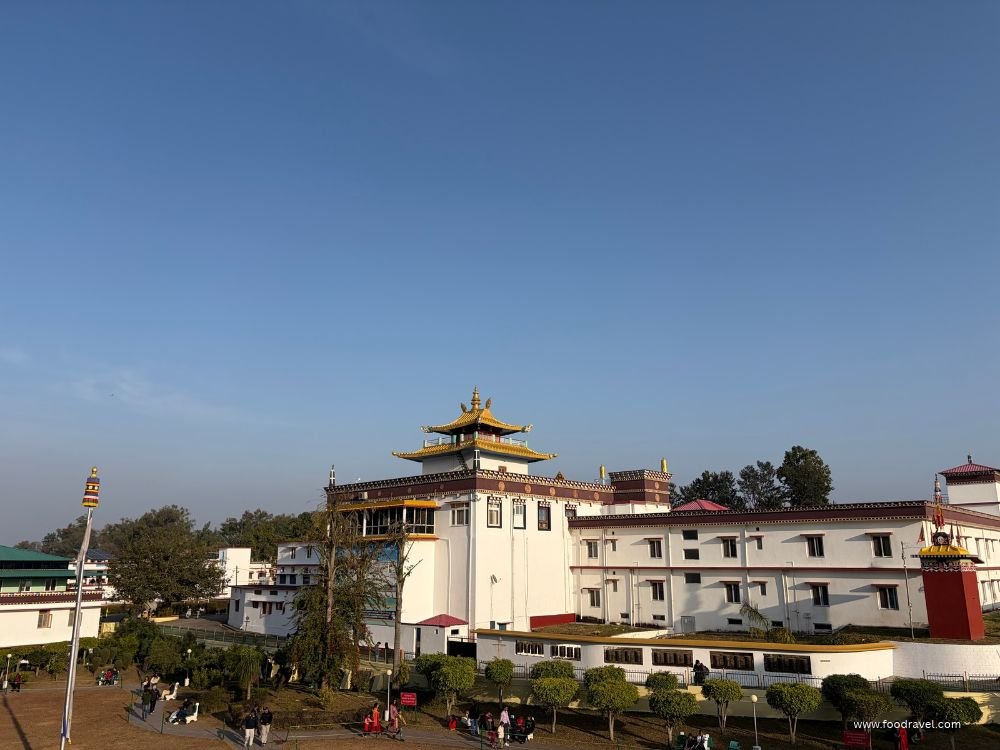
Interestingly, Dehradun wasn’t even my intended destination this time. I was heading to Chakrata and had a different travel plan in mind. Somehow, though, my journey took an unexpected turn, bringing me to Mindrolling Monastery. What was supposed to be a trip towards Chakrata had an unplanned stop in Dehradun, giving me another chance to explore a city I had last visited in 2018.
10 Interesting Facts About Mindrolling Monastery
Discover the history, Buddhist heritage and lesser-known details of this remarkable monastery in Dehradun.
Founded in 1676
The original monastery was established in Tibet by Terdag Lingpa in the Drachi Valley.
Re-established in India
Efforts to establish Mindrolling in Dehradun began in 1965, with its monastic seat established in exile in 1976.
Ancient Buddhist Tradition
Mindrolling follows the Nyingma school, the oldest of the four major schools of Tibetan Buddhism.
185-Foot Great Stupa
The magnificent Great Peace Stupa rises 185 feet and is surrounded by a two-acre landscaped garden.
A Story from Buddha’s Life
The Great Stupa commemorates Buddha's descent from the Heaven of the Thirty-Three Gods.
Inaugurated in 2002
The Great Stupa was inaugurated on 28 October 2002 in the presence of the 14th Dalai Lama.
Home to Sacred Relics
The Great Stupa houses sacred Buddhist relics and several shrine rooms adorned with intricate murals.
Maitreya and Shakyamuni
Its facade depicts Maitreya, the Future Buddha, and Buddha Shakyamuni descending the steps.
A Centre of Buddhist Learning
Ngagyur Nyingma College was inaugurated in 1991 to provide advanced Buddhist education.
A Community of 300+ Monks
The monastery supports more than 300 monks, with facilities for education and extended meditation retreats.
The History of Mindrolling Monastery: From Tibet to Dehradun
The history of Mindrolling Monastery Dehradun goes back to 1676, long before it became one of the most recognisable Buddhist landmarks in Uttarakhand. Its story begins in Tibet, where the monastery was founded by Chögyal Terdag Lingpa in the Drachi Valley, near Lhasa. Over the centuries, Mindrolling grew into one of the most important centres of the Nyingma school of Tibetan Buddhism, attracting monks and scholars who came here to study Buddhist philosophy, meditation and ancient teachings.
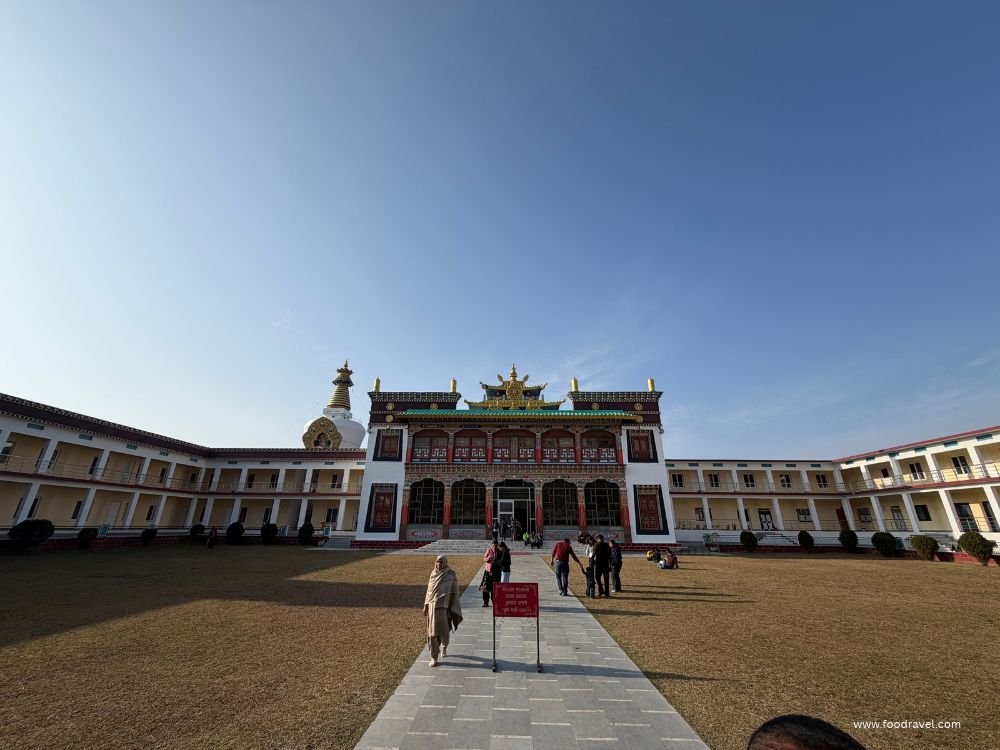
However, the monastery’s journey wasn’t without setbacks. In 1717, it was destroyed during an invasion of Tibet. It was later rebuilt, and its religious traditions continued through successive generations of Buddhist teachers. The monastery remained an important centre of Tibetan Buddhist learning until the political upheaval in Tibet in 1959 changed its course.
How Mindrolling Monastery Found a New Home in Dehradun
Following the Chinese occupation of Tibet, many Tibetan Buddhist teachers and monks were forced to leave their homeland and seek refuge in India. Among them was the 11th Mindrolling Trichen, who played an important role in preserving the monastery’s centuries-old traditions.
In 1965, efforts began to establish Mindrolling Monastery in India. His Eminence Khochhen Rinpoche and a group of monks selected a site in Clement Town, Dehradun, and began building a new monastic centre. The 11th Mindrolling Trichen eventually moved to Dehradun in 1976, establishing the monastery’s seat in exile.
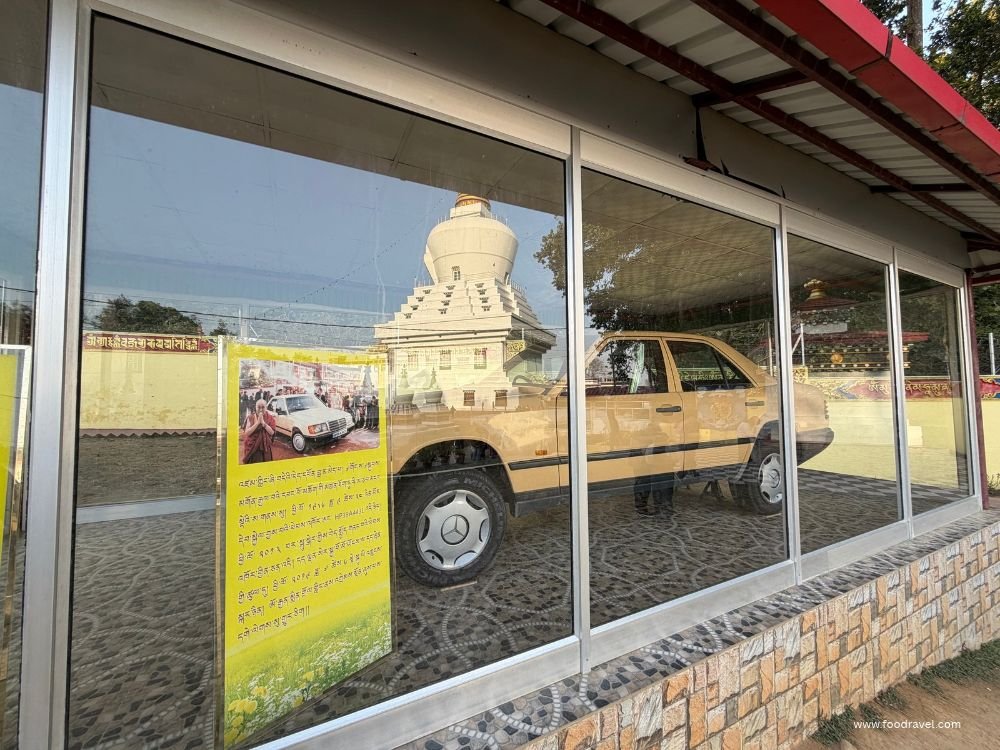
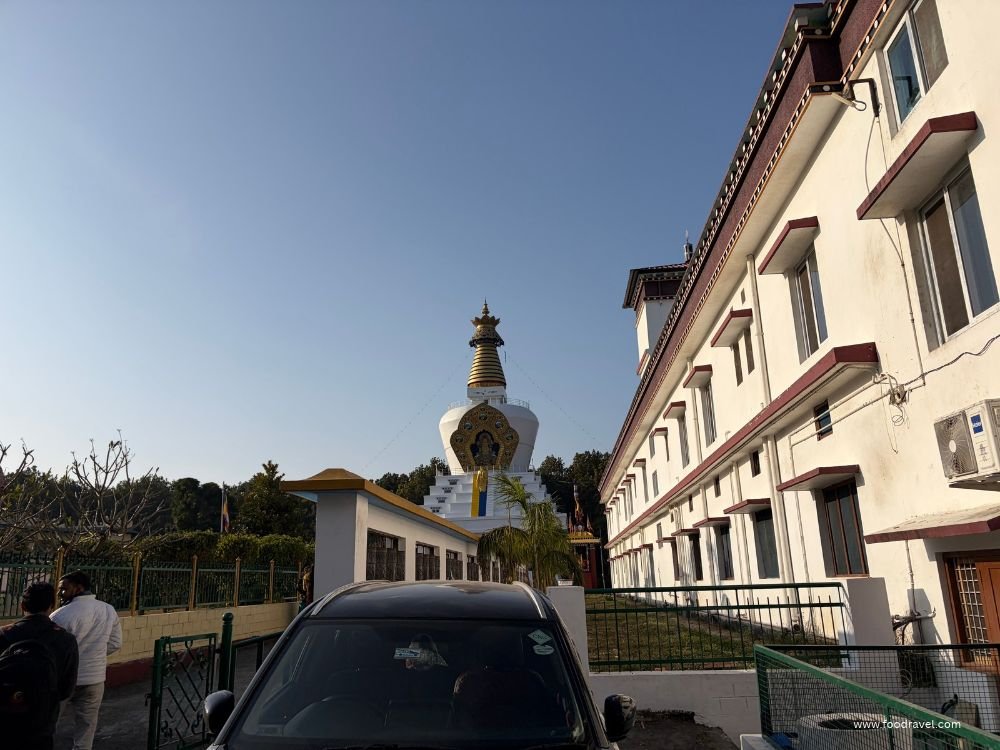
Today, Mindrolling Monastery Dehradun carries forward the legacy of its Tibetan predecessor. What began as an effort to preserve a centuries-old Buddhist tradition in a new home has grown into an important centre of Tibetan Buddhist learning and culture in India.
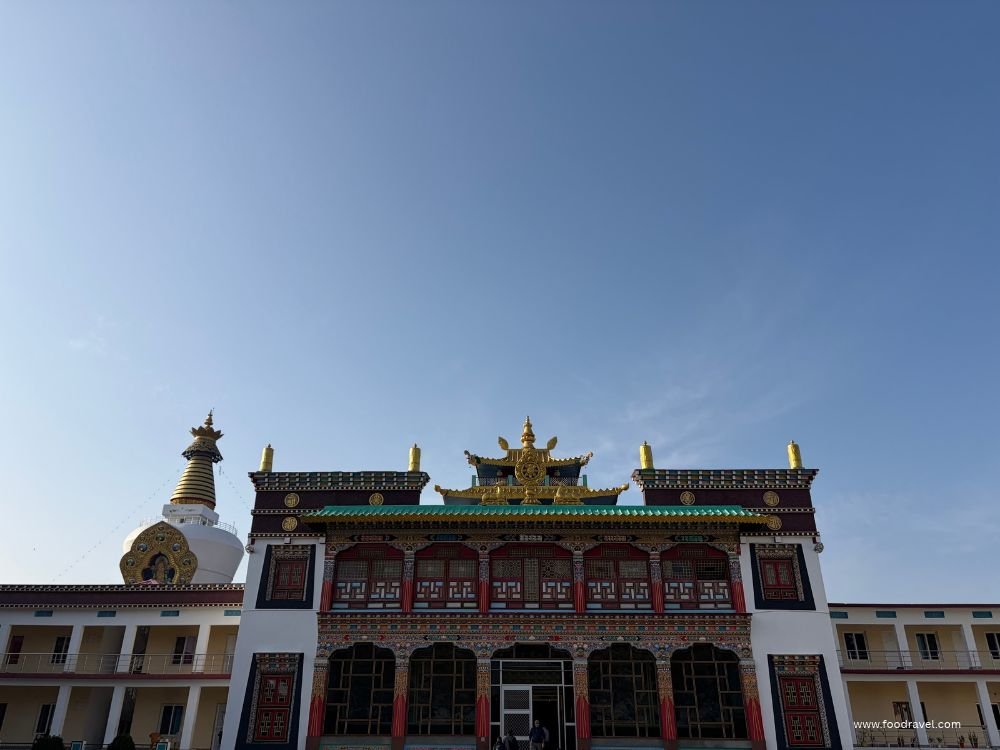
The Great Stupa of Mindrolling Monastery: Architecture and Significance
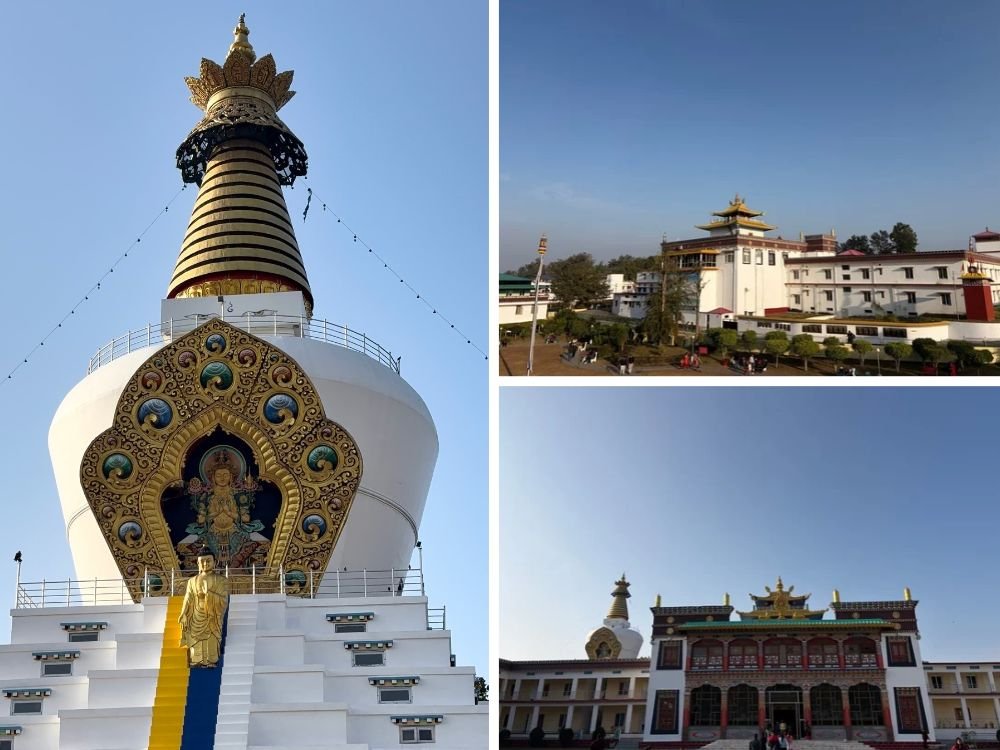
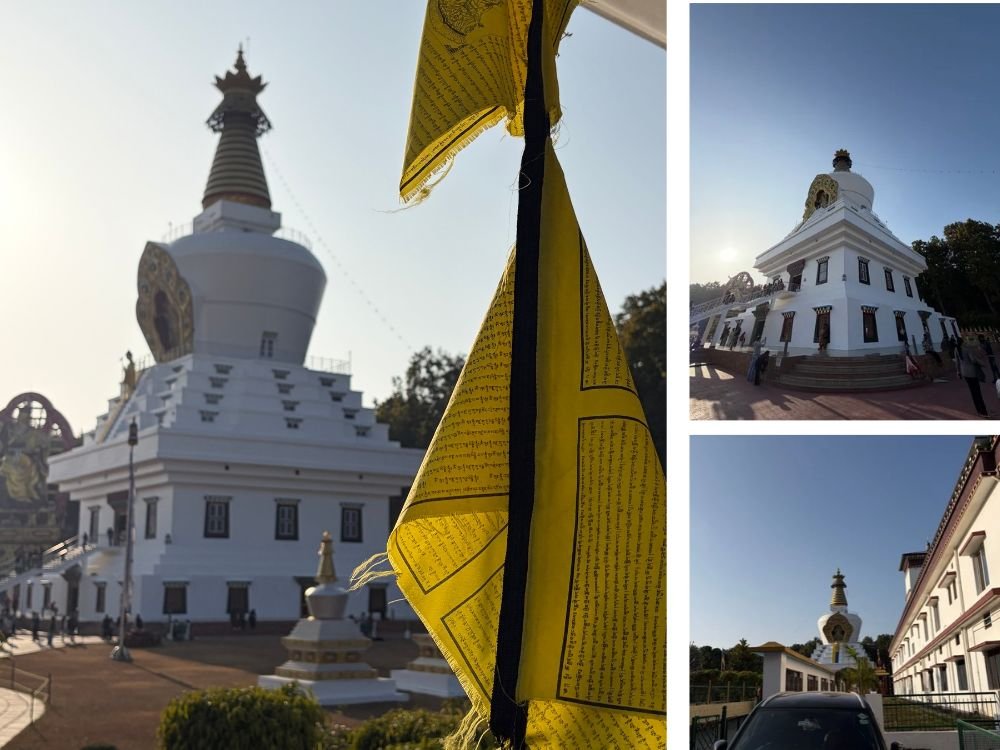
Mindrolling Monastery Great Stupa is one of the most striking landmarks in Dehradun. Standing at an impressive height of 185 feet, it is regarded as one of the tallest stupas in the world. The monument took several years to complete and was inaugurated on 28 October 2002. Its imposing structure, traditional Tibetan architecture and intricate artwork make it a major attraction for visitors to the monastery.
The Great Stupa Dehradun features five floors, each designed with religious significance. Visitors can explore the different levels, which contain shrine rooms, murals, Buddhist statues and intricate wall paintings depicting various aspects of Buddhist teachings. The interiors are particularly interesting, with detailed artwork that reflects the craftsmanship and artistic traditions preserved by the monastery.
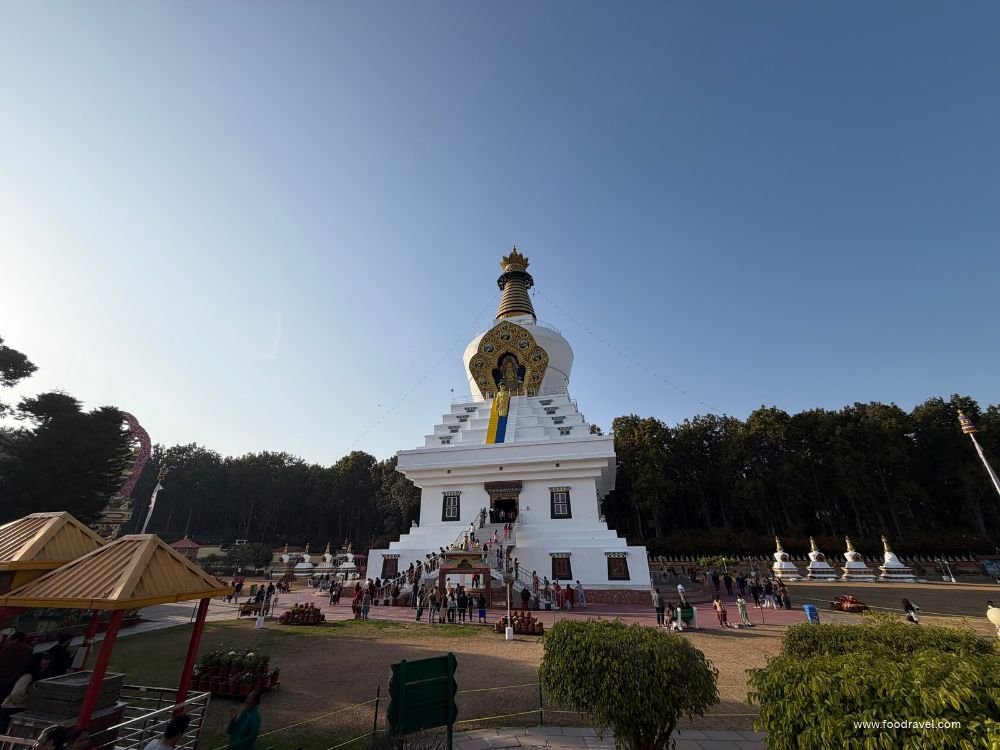
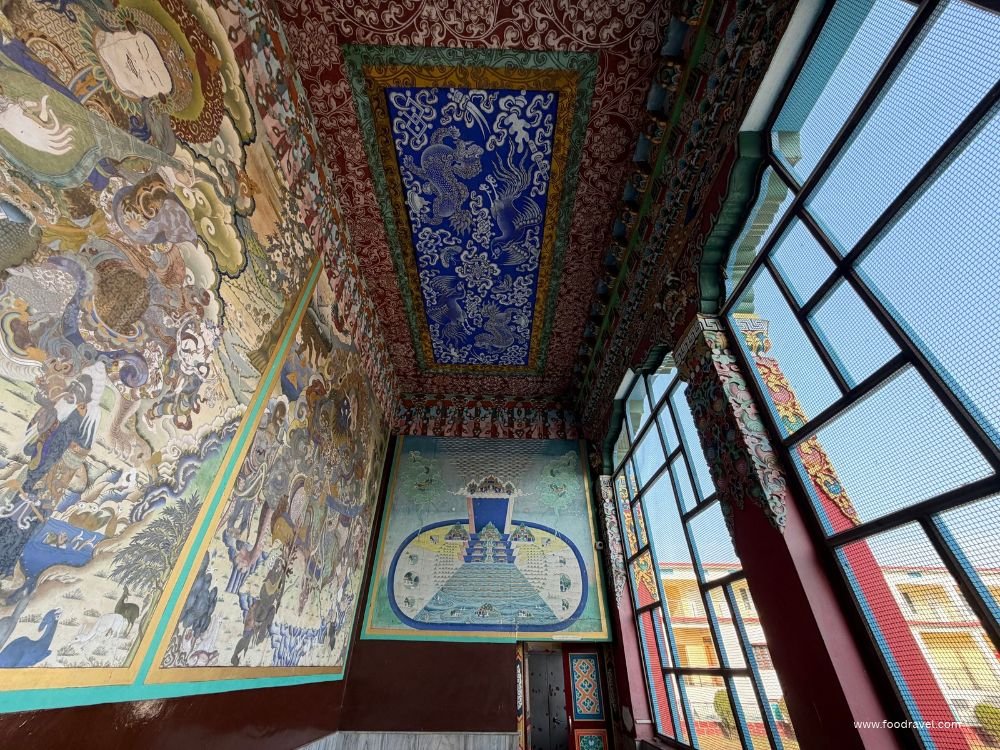
The Mindrolling Stupa is not simply an architectural attraction. It is a place of prayer, reflection and spiritual practice for Buddhist devotees. Its design follows traditional Buddhist symbolism, with each architectural element representing a different aspect of the spiritual path.
Often described as the tallest stupa in India, this magnificent structure is among the main reasons travellers include Mindrolling Monastery in their Dehradun itinerary. Even if you are not familiar with Buddhist traditions, the scale, artwork and peaceful atmosphere make it worth exploring.
What to See at Mindrolling Monastery Dehradun
A visit to Mindrolling Monastery is about more than admiring the Great Stupa. The complex has several attractions spread across its landscaped grounds, from enormous golden statues and prayer wheels to colourful shrine rooms and peaceful gardens. If you have some time to explore, here are the highlights worth looking out for.
The Giant Buddha Statue
One of the first things that catches your attention is the magnificent golden Buddha statue. Standing approximately 35 metres tall, the statue depicts Sakyamuni Buddha and is one of the most prominent features of the monastery complex. Its sheer scale makes it an impressive sight, particularly when viewed from the surrounding gardens.
The Guru Padmasambhava Statue
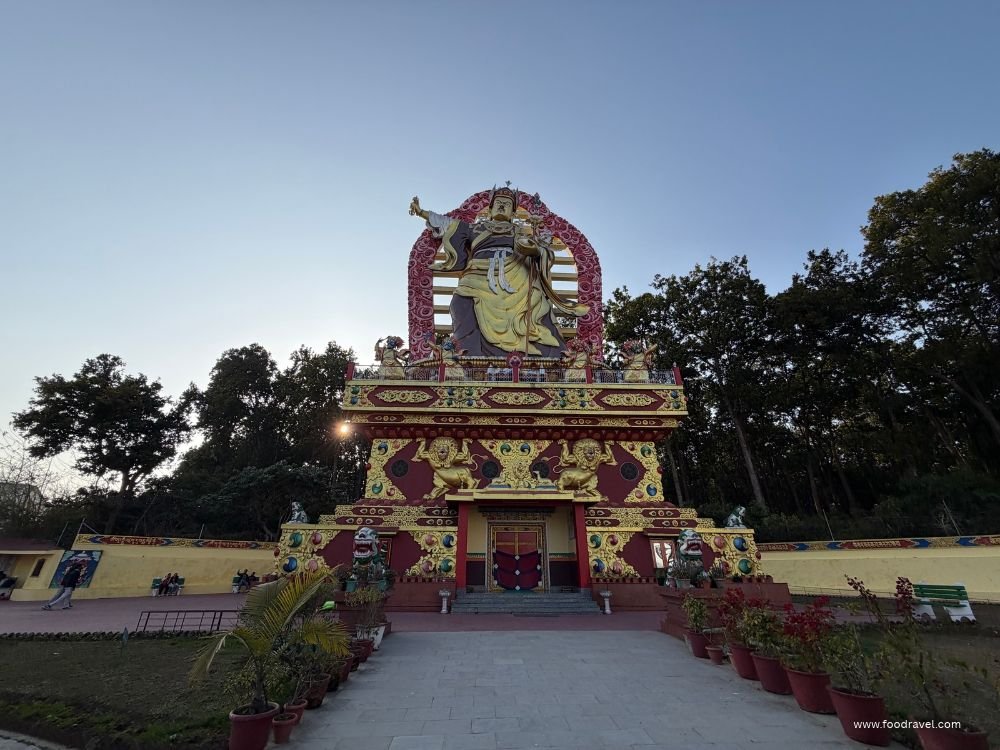
Another important attraction is the Guru Padmasambhava statue, also known as Guru Rinpoche. Revered for his role in establishing Buddhism in Tibet, he holds a special place in Tibetan Buddhist traditions. The large statue and its shrine were inaugurated in 2016, adding another significant landmark to the monastery grounds.
Prayer Wheels at Mindrolling Monastery
Rows of prayer wheels at Mindrolling Monastery add to the distinctive atmosphere of the complex. You will find them around the Great Stupa, with several larger wheels housed in dedicated pavilions. Visitors can gently rotate the wheels clockwise as they walk past. Each wheel contains written prayers, and spinning it is a traditional Buddhist practice associated with accumulating merit and spreading blessings.
The Gardens and Waterfall
The Mindrolling Monastery gardens surrounding the Great Stupa cover approximately two acres. With neatly maintained lawns, flower beds and walking paths set against a forested backdrop, they offer a pleasant place to slow down after exploring the monuments.
Look out for the small waterfall near the entrance, which features a depiction of Yangchenma, also known as Saraswati. The gardens are particularly inviting when flowers are in bloom, making this part of the complex worth exploring rather than treating it as just a passage between attractions.
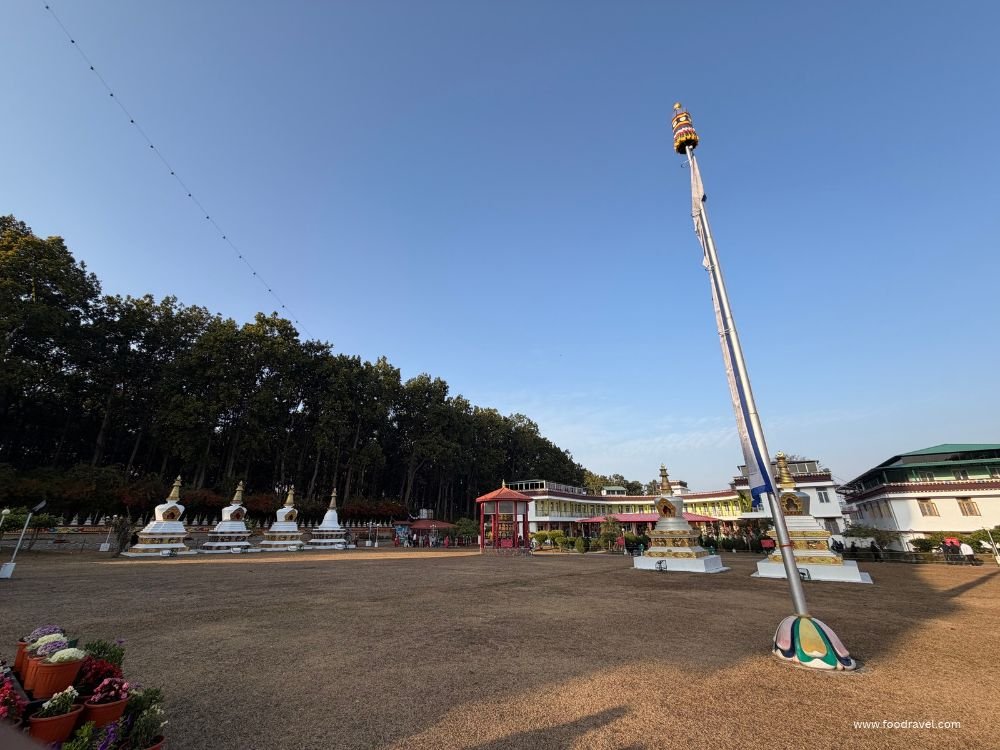
The Main Monastery and Prayer Halls
The main monastery, known as Ngedon Gatsal Ling, is the religious and monastic centre of the complex. Its shrine spaces feature Buddhist statues, detailed artwork and traditional decorations. The monastery is also home to Ngagyur Nyingma College, where monks study and practise the teachings of the Buddha.
Mindrolling is often referred to as the Buddhist temple Dehradun is known for, but it is much more than a sightseeing attraction. It remains an active religious and educational institution. Visitors should respect restricted areas, maintain silence around prayer spaces and follow any instructions given by the monastery staff.
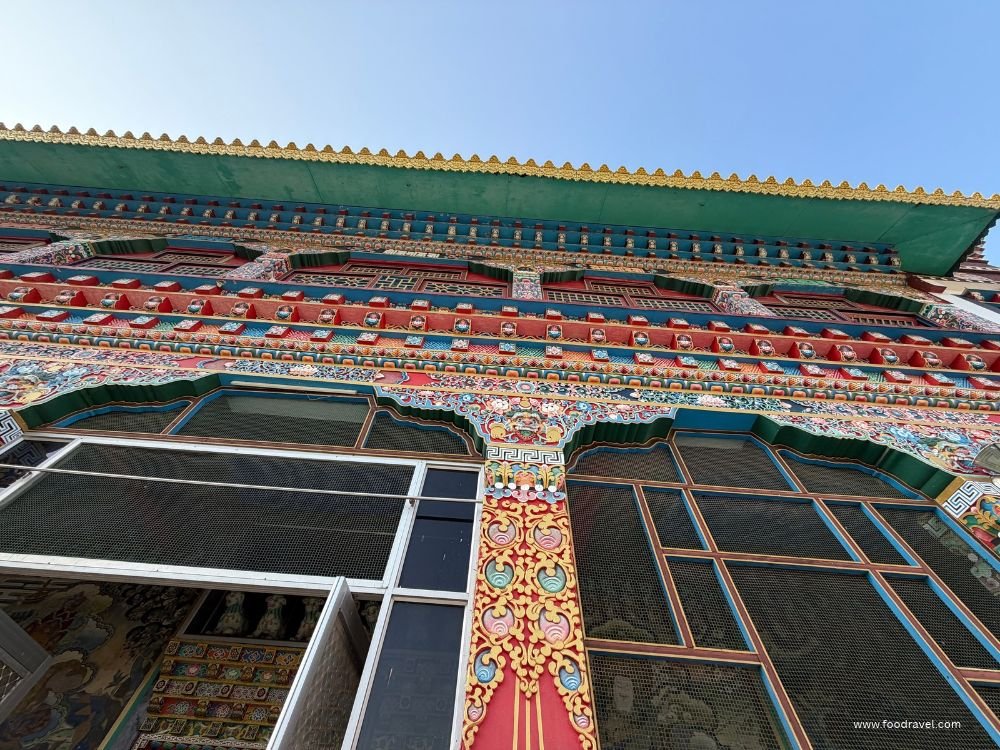
Mindrolling Monastery Timings, Entry Fee and Visitor Information
Before planning your visit, it is worth checking the Mindrolling Monastery timings and entry arrangements so you have enough time to explore the complex. The Great Stupa is open to visitors daily from 9:00 AM. However, timings for individual prayer halls and other areas may differ, so check the latest notices at the monastery when you arrive.
Mindrolling Monastery Entry Fee
One of the best things about visiting is that there is no entry fee for Mindrolling Monastery or the Great Stupa. Visitors can explore the accessible areas without purchasing an admission ticket. You do not need to make an advance booking for a regular daytime visit.
Opening Hours and Visiting Rules
The Mindrolling Monastery opening hours may vary across different sections of the complex. The Great Stupa’s confirmed opening time is 9:00 AM, but do not assume that every shrine or prayer hall follows the same schedule.
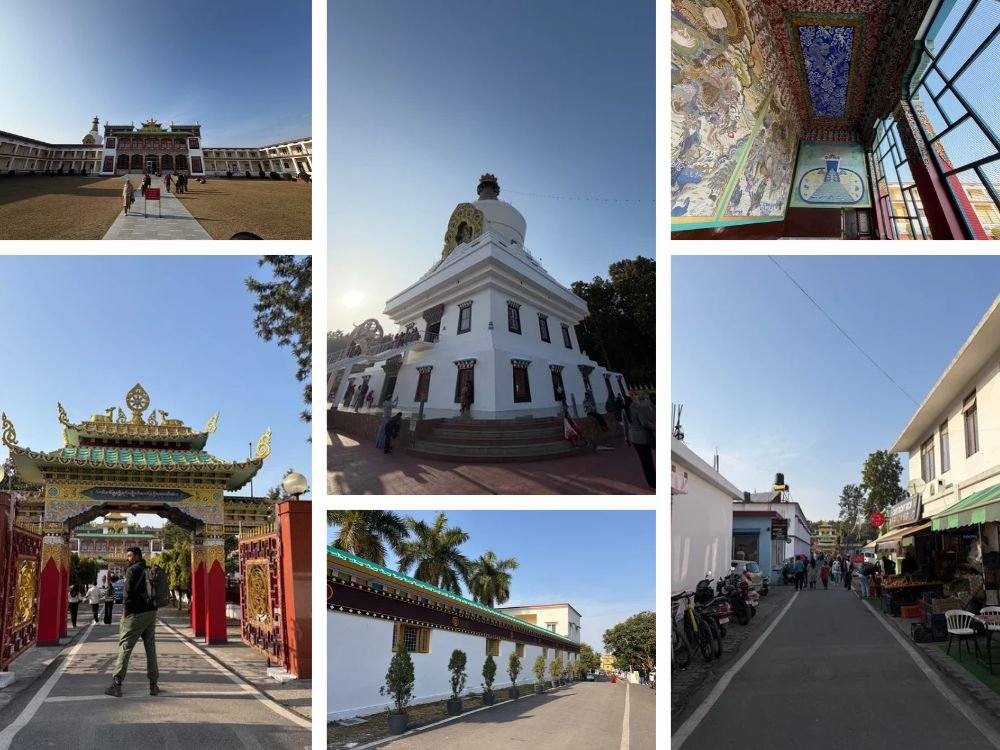
Keep these points in mind during your visit:
- Dress modestly and behave respectfully inside religious spaces.
- Maintain silence near prayer halls and meditation areas.
- Remove your footwear wherever instructed.
- Do not touch religious objects or enter restricted sections.
- Ask permission before photographing monks or worshippers.
- Follow the instructions displayed by monastery authorities.
The Mindrolling Monastery visiting hours are best planned around the daytime, allowing enough time to explore the Great Stupa, statues, prayer wheels and gardens without rushing.
Frequently Asked Questions About Mindrolling Monastery
Planning a visit to Mindrolling Monastery in Dehradun? Find answers about its history, the Great Stupa, visitor timings, entry fee, Buddhist traditions, facilities and nearby attractions.
About Mindrolling Monastery
1. Where is Mindrolling Monastery located?
Mindrolling Monastery is in Clement Town, Dehradun, Uttarakhand. The monastery’s official address is Quarter Deck Road, Bharuwala Colony, Clement Town, Dehradun, Uttarakhand 248002.
2. Why is Mindrolling Monastery famous?
Mindrolling is known for the 185-foot Great Peace Stupa, its shrine rooms and Tibetan Buddhist artwork, large Buddha and Padmasambhava statues, prayer wheels, landscaped gardens and its role as an active centre of the Nyingma tradition.
3. Is Mindrolling Monastery worth visiting?
Yes. Visitors come to see the Great Peace Stupa, its shrine rooms and artwork, the statues, prayer wheels and landscaped grounds. It is also an opportunity to learn about an active Tibetan Buddhist institution, rather than just a monument.
4. Is Mindrolling Monastery a Buddhist temple or a monastery?
Mindrolling is an active Tibetan Buddhist monastery and educational institution. The visitor area includes the Great Peace Stupa and its grounds, while the wider campus also contains the main monastery, prayer spaces and Ngagyur Nyingma College.
5. Which school of Buddhism does Mindrolling Monastery follow?
Mindrolling belongs to the Nyingma school of Tibetan Buddhism. The monastery preserves and teaches the traditions and lineage associated with this school.
6. How old is Mindrolling Monastery?
The original Mindrolling Monastery was founded in Tibet in 1676. The institution’s monastic seat was re-established in Dehradun in 1976, following the upheaval in Tibet after 1959.
7. When was Mindrolling Monastery established in Dehradun?
The re-establishment process in India began in 1965, when Khochhen Rinpoche and monks selected land in Dehradun. The 11th Mindrolling Trichen established the monastery’s seat in exile there in 1976. These are two different milestones.
8. Who founded Mindrolling Monastery?
The original monastery in Tibet was founded in 1676 by Chögyal Terdag Lingpa, also known as Rigzin Terdak Lingpa, with the support of his brother Lochen Dharmashri.
9. Is Mindrolling Monastery an active monastery?
Yes. Mindrolling remains an active religious and educational institution. Monks live, study and practise Buddhist teachings on the campus, alongside the areas open to daytime visitors.
10. How much time is needed to explore Mindrolling Monastery?
As a practical estimate, allow around one to two hours to see the Great Stupa grounds, statues, prayer wheels and gardens. You may need longer if you plan to spend time at the shrine rooms or dining facilities, subject to access and opening arrangements.
Great Stupa and Architecture
11. What is the Great Stupa at Mindrolling Monastery?
The Great Peace Stupa, also known as the Stupa of Buddha’s Descent from Devaloka, is the landmark Buddhist monument at Mindrolling. It contains several shrine rooms with murals, statues and sacred relics, and is dedicated to world peace.
12. How tall is the Great Stupa at Mindrolling Monastery?
The monastery states that the Great Peace Stupa is 185 feet tall. It is one of the most prominent Buddhist monuments in Dehradun.
13. When was the Great Stupa inaugurated?
The Great Peace Stupa was inaugurated on 28 October 2002, in a ceremony attended by the 14th Dalai Lama.
14. How many floors does the Great Stupa have?
The monastery describes shrine rooms across several floors inside the Great Peace Stupa, but its official visitor information does not specify a definitive floor count. Access to individual levels may also vary.
15. Can visitors go inside the Great Stupa?
The Great Stupa contains several shrine rooms, but access to individual rooms and levels can depend on the monastery’s arrangements. Follow the signs and instructions on site rather than assuming every interior area is open.
16. Can visitors see the Dehradun Valley from the Great Stupa?
Some travel descriptions mention an upper-level viewing platform, but the monastery’s visitor information does not guarantee access to it. Check with staff on arrival before planning your visit around a valley view.
17. What is the Buddha statue at Mindrolling Monastery?
The grounds include a large gilded statue of Sakyamuni Buddha. Travel references commonly give its height as approximately 35 metres; the monastery’s main overview does not publish a measurement.
18. Who is Guru Padmasambhava at Mindrolling Monastery?
Guru Padmasambhava, also known as Guru Rinpoche, is a revered master associated with the establishment of Buddhism in Tibet. The large statue at Mindrolling, in the form Guru Dregpa Kündül, was formally consecrated on 3 March 2017.
19. What are the Eight Stupas at Mindrolling Monastery?
The Eight Great Stupas are a traditional Buddhist group of monuments associated with eight major events in the Buddha’s life. Visitor accounts describe a set of eight differently styled stupas on the Mindrolling grounds; follow the on-site descriptions for the meaning of each form.
20. What is the White Tara statue at Mindrolling Monastery?
White Tara is a revered figure in Tibetan Buddhism associated with compassion and long life. Some visitor accounts mention a White Tara statue in the grounds, but it is not described in detail on the monastery’s official visitor pages. Check on site for its location and access.
21. Who is Yangchenma at Mindrolling Monastery?
Yangchenma is a Tibetan Buddhist wisdom figure associated with Saraswati and the arts, learning and eloquence. Visitor descriptions identify a depiction of Yangchenma near the garden waterfall; the monastery’s main visitor information does not provide further details.
22. What is the significance of the prayer wheels at Mindrolling Monastery?
Prayer wheels contain written mantras and prayers. Turning one is a devotional practice in Tibetan Buddhism, traditionally understood as a way of engaging with and reciting the prayers contained inside.
23. Which direction should you turn the prayer wheels?
Prayer wheels are traditionally turned clockwise. Turn them gently and respectfully, following the direction used in Tibetan Buddhist circumambulation.
24. Are there gardens at Mindrolling Monastery?
Yes. The Great Peace Stupa is surrounded by a landscaped garden of approximately two acres, with lawns, flower beds and walking areas.
25. Is there a waterfall at Mindrolling Monastery?
Visitor descriptions mention a small waterfall in the landscaped grounds, near a depiction identified as Yangchenma. Treat it as a garden feature rather than a separate attraction, and follow any access instructions on site.
26. What is Ngedon Gatsal Ling?
Ngedon Gatsal Ling is the main monastery and practice centre at Mindrolling. It is part of the active religious life of the campus.
27. What is Ngagyur Nyingma College?
Ngagyur Nyingma College is the Buddhist educational institution at Mindrolling. Monks study and practise the Buddha’s teachings there in accordance with the Nyingma lineage; the campus also has a library containing Indian and Tibetan commentaries.
Timings, Entry Fee and Visitor Information
28. What are the Mindrolling Monastery timings?
The monastery’s official visitor page says daytime visits to the Great Stupa can be made every day from 9:00 AM, without advance arrangement. The separate Buddha Temple public-information page lists public visiting hours as 10:00 AM to 5:00 PM. Since timings may apply to different visitor areas, check the latest on-site notice before travelling.
29. Is Mindrolling Monastery open every day?
The official Mindrolling visitor page says the Great Stupa is open every day from 9:00 AM. The Buddha Temple public-information page lists daily public hours of 10:00 AM to 5:00 PM. Access to particular buildings or shrine rooms may differ.
30. Is there an entry fee for Mindrolling Monastery?
There is no general admission ticket for the public visitor areas described by visitors, and the monastery’s visitor page does not list an entry charge for daytime Great Stupa visits. Special events or separately arranged activities may have different conditions.
31. Do you need to book tickets in advance?
No advance arrangement is required for a normal daytime visit to the Great Stupa, according to the monastery’s visitor information. Contact the monastery in advance if you are planning an overnight or extended stay, or visiting for another purpose.
32. What is the best time of day to visit Mindrolling Monastery?
Morning is a practical time to visit. The Great Stupa opens at 9:00 AM according to the monastery’s visitor page, giving you time to explore the grounds during the day. Check access times for the specific areas you want to see.
33. What should you wear when visiting Mindrolling Monastery?
Choose modest, comfortable clothing appropriate for a religious place. Follow any instructions about footwear when entering shrine rooms or other designated spaces.
34. Are there any rules visitors should follow?
Maintain silence and respect the monastic environment. The Buddha Temple’s published visitor guidelines also ask visitors not to bring or eat food in the park or stupa grounds, feed monkeys, display affection publicly, or use the grounds for exercise or sports. Read and follow the signs on site.
35. Can visitors take photographs inside Mindrolling Monastery?
The monastery’s general visitor information does not publish a blanket photography policy. Check signs in each area and ask staff before taking photographs inside shrine rooms or of monks, worshippers and religious activities.
36. Are guided tours available at Mindrolling Monastery?
The monastery does not publish a regular guided-tour schedule for general visitors. If you need a guide or are arranging a group visit, contact the monastery in advance rather than assuming a tour will be available.
37. Are public toilets available at Mindrolling Monastery?
The monastery’s official visitor information does not confirm public toilet facilities or their location. Ask staff at the entrance about restroom access when you arrive.
38. Is Mindrolling Monastery wheelchair accessible?
The monastery does not publish detailed step-free accessibility information for the visitor areas. Since the Great Stupa has multiple levels and shrine rooms, contact the monastery before visiting to confirm which areas can be reached without stairs.
39. Is Mindrolling Monastery suitable for senior citizens?
The landscaped grounds can be explored at a relaxed pace, but access to upper levels and shrine rooms may involve stairs. Senior visitors with mobility concerns should contact the monastery beforehand and check which areas are open.
40. Can you visit Mindrolling Monastery with children?
Families can visit the public grounds and explore the gardens, statues and accessible visitor areas. Keep children supervised and explain that the monastery is an active religious place where quiet and respectful behaviour is expected.
41. Can foreigners visit Mindrolling Monastery?
Foreign visitors can visit the public areas, subject to the monastery’s visitor rules. The monastery asks anyone planning an overnight or extended stay to contact it in advance; do not assume that guesthouse accommodation is automatically available to every visitor.
Prayers, Meditation and Buddhist Traditions
42. Can visitors attend Buddhist prayers at Mindrolling Monastery?
Mindrolling is an active monastery where prayers and religious practices take place, but the monastery does not publish a general visitor schedule for attending them. Ask the monastery directly if you wish to observe a prayer session.
43. Can tourists listen to Buddhist chanting at Mindrolling Monastery?
Chanting is part of monastic religious practice, but no public chanting timetable is provided in the visitor information. Visitors may hear activities taking place, but should not plan around a particular session without confirming it first.
44. Can visitors meditate at Mindrolling Monastery?
Visitors may spend quiet time in permitted public areas, but the monastery does not advertise a regular meditation programme for casual visitors. Contact the monastery if you are looking for a formal session or retreat.
45. Can visitors enter the prayer halls?
The campus contains prayer halls and shrine rooms, but public access depends on the monastery’s schedule and rules. Do not assume every prayer hall is open to tourists; check signs or ask staff.
46. Does Mindrolling Monastery celebrate Buddhist festivals?
Mindrolling observes occasions in the Tibetan Buddhist calendar. Dates, ceremonies and public access arrangements vary, so check the monastery’s official calendar or contact its office for details of a particular event.
47. Can visitors participate in Buddhist ceremonies?
Some ceremonies may be open to visitors, while others are intended for the monastic community or registered participants. Ask the monastery about the specific event and its attendance rules before arriving.
Food, Cafés, Shops and Accommodation
48. Are there cafés near Mindrolling Monastery?
Yes. There are cafés and dining options in the surrounding Clement Town Tibetan settlement. Within the monastery campus, Deva Loka is a guesthouse complex; its lower level includes an internet café, a restaurant and the Peace Cafe. Deva Loka itself is not a café.
49. Are there restaurants at Mindrolling Monastery?
The monastery’s Deva Loka guesthouse complex has a restaurant, the Peace Cafe and two rooftop dining areas. These are facilities within the guesthouse complex, not separate monastery attractions. Check current opening and access arrangements before planning a meal.
50. Can you get vegetarian food near Mindrolling Monastery?
Clement Town has local eateries, but menus and availability change. Ask individual cafés or restaurants directly about vegetarian dishes rather than assuming every dining facility has the same options.
51. Are there shops or bookstores at Mindrolling Monastery?
The Deva Loka complex includes gift shops. The monastery’s official guesthouse information does not specifically confirm a public bookstore, so ask on site if you are looking for Buddhist books or publications.
52. Can visitors buy Tibetan souvenirs near Mindrolling Monastery?
The Deva Loka complex has gift shops, and local shops are found in the neighbouring Clement Town Tibetan settlement. The range of souvenirs and products varies by shop.
53. Does Mindrolling Monastery have guesthouses?
Yes. The monastery lists Deva Loka Guest House and Dekyi Gatsal. Deva Loka has double rooms, while Dekyi Gatsal is described as a lodge with nine double rooms and attached bathrooms. Contact the monastery for current availability and booking details.
54. Can tourists stay overnight at Mindrolling Monastery?
Guesthouse accommodation is listed by the monastery, but overnight and extended stays must be discussed with the monastery in advance. Contact the office to confirm eligibility, room availability and booking conditions.
55. Can visitors bring food inside Mindrolling Monastery?
The published Buddha Temple visitor guidelines say not to bring or eat food in the park area or on the stupa grounds. Use designated dining facilities outside those restricted grounds and follow the signs on site.
56. Are visitors allowed to feed monkeys at Mindrolling Monastery?
No. The published visitor guidelines specifically ask visitors not to feed monkeys on the grounds.
57. Are donations accepted at Mindrolling Monastery?
The monastery accepts support through its official donation channels. If you wish to contribute, use the donation information provided by the monastery rather than handing money to an unverified collector.
How to Reach and Nearby Attractions
58. How far is Mindrolling Monastery from Dehradun city centre?
Mindrolling Monastery is approximately 10 kilometres from central Dehradun. The exact distance and journey time depend on your starting point and traffic.
59. How can you reach Mindrolling Monastery from Dehradun Railway Station?
From Dehradun Railway Station, you can take a taxi or auto-rickshaw towards Clement Town. Local transport options may also be available, but routes and frequency can change. Allow extra time for traffic.
60. How can you reach Mindrolling Monastery from Jolly Grant Airport?
Jolly Grant Airport is Dehradun’s nearest regional airport. A taxi is the most straightforward option for reaching Mindrolling Monastery in Clement Town. Journey time depends on traffic and road conditions.
61. Is parking available at Mindrolling Monastery?
The Buddha Temple visitor-information page lists a parking lot and says public vehicles are permitted after 10:00 AM and before 5:00 PM. Follow the current gate instructions, as vehicle access may be different from pedestrian visiting hours.
62. What are the places to visit near Mindrolling Monastery?
You can explore the Tibetan settlement and its local eateries around Clement Town. Robber’s Cave, Sahastradhara and central Dehradun are other attractions elsewhere in the city, so allow additional travel time if you include them in the same itinerary.
63. Can Mindrolling Monastery be covered in a one-day Dehradun itinerary?
Yes. As a practical estimate, set aside around one to two hours for the monastery, then combine it with other Dehradun attractions if travel time allows. The best sequence depends on your starting point and the day’s traffic.
64. What is the best season to visit Mindrolling Monastery?
October to March is generally comfortable for exploring Dehradun outdoors. Spring can also be pleasant for the gardens. Summer afternoons can be hot, while monsoon rain may make outdoor walking and road travel less comfortable.
65. Is Mindrolling Monastery open during the monsoon?
The monastery’s visitor page lists the Great Stupa as open every day, but temporary changes can occur. Heavy rain may affect outdoor areas and travel. Check for notices or contact the monastery before setting out during severe weather.
66. Can couples visit Mindrolling Monastery?
Yes. Couples can visit the public areas, but the grounds are a religious environment. The published visitor guidelines ask visitors to avoid public displays of affection and to behave respectfully.
67. Is Mindrolling Monastery only a tourist attraction?
No. Mindrolling is an active Tibetan Buddhist monastery and educational institution. The Great Stupa and gardens welcome daytime visitors, while religious, scholarly and monastic activities continue across the campus.
